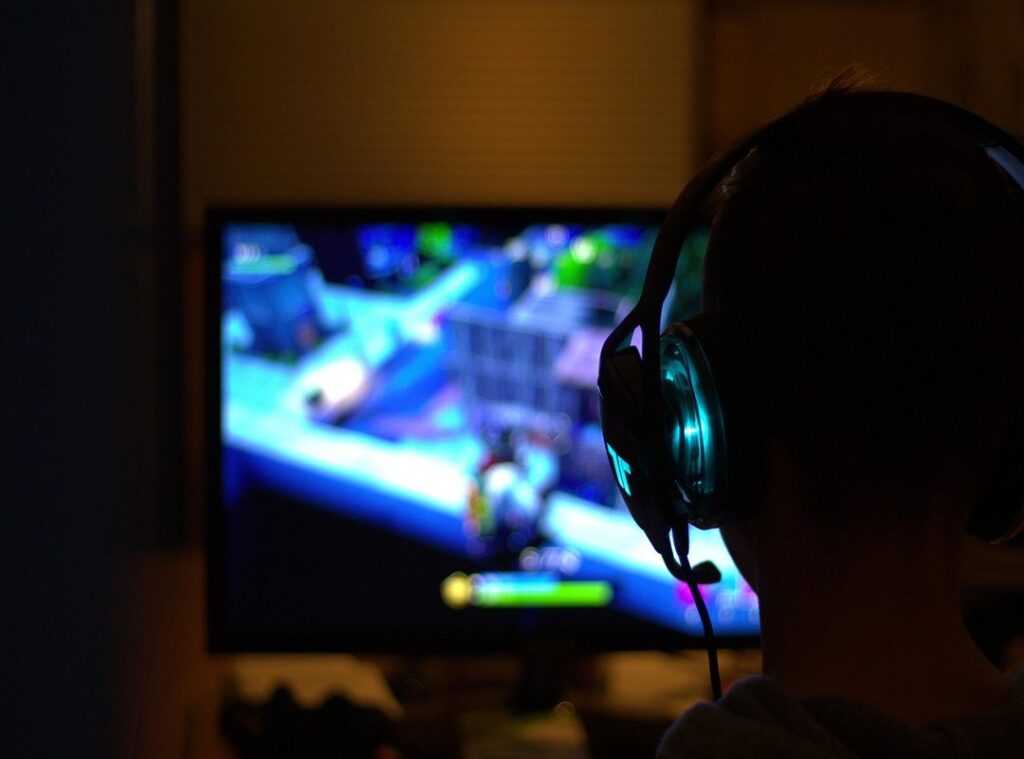
Ever been in the middle of an intense gaming session, only for everything to freeze during that key 1v1? It’s maddening, right? I know because I’ve been there.
Struggling with lag spikes when every FPS counts can be the difference between a killstreak and a rage quit.
You’re here to improve gaming PC performance, and I’m here to help. Forget the fluff. This guide is built from years of competitive gaming experience, where every split-second matters.
You need actionable solutions, and that’s what you’ll get.
We’ll start with quick, free fixes and move towards more strategic hardware upgrades. This isn’t just theory. It’s a plan you can start right now for a real edge in your favorite games.
Trust me, by the end, you’ll be dominating the leaderboard, not blaming lag.
The Zero-Cost FPS Boost: Important Software & OS Tweaks
You know what’s better than spending hundreds on new hardware? Free performance gains. Sounds too good to be true, right?
It’s not. The fastest way to improve your gaming PC often hides in the settings you already have. Before you drop any cash, start here.
Updating your GPU drivers should be your first move. I mean, we’re talking Nvidia GeForce Experience or AMD Radeon Software here. It’s more than routine maintenance.
Get those updates rolling before you even think about touching your wallet. Seriously, it’s the single most important software update. Your games?
They’ll thank you.
Windows optimizations? Simple yet effective. Let Game Mode.
It’s there for a reason. Ditch those unnecessary startup programs through Task Manager too (you’re not using half of them anyway). And, oh, switch your power plan to ‘High Performance’.
Do this, and your system’s already feeling more agile.
Now, let’s address the elephant in the room: background programs. Multiple browser tabs, streaming apps, and overlays are nothing but resource hogs. These slow your games down to a crawl.
Multitasking when gaming? A big no-no.
Top players know these tweaks aren’t maintenance (they’re) pre-game rituals. They make sure consistency and peak performance. Ever wondered why they seem so smooth?
This is their secret.
For those using high-end monitors, check out this link to dig into deeper into maximizing performance high end monitors. Could a few tweaks make the difference? Absolutely.
In-Game Settings: Visuals vs. Performance Showdown
Tuning in-game settings is like wielding a double-edged sword. You want your games to look breathtaking but not at the cost of your frames per second (FPS). Striking that balance is what we all chase when we try to improve gaming PC setups.
You get it, right?
to the nitty-gritty. Some settings hit your GPU like a truck. Shadows, for instance, are resource hogs.
Why? Because your GPU has to calculate light paths in real time. It’s like asking it to solve a complex puzzle every frame.
Anti-aliasing is another culprit, smoothing those jagged edges but demanding serious power. Volumetric effects and ray tracing? Same story.
They look amazing but often leave your FPS gasping for air.
On the flip side, some settings don’t break a sweat on your hardware. Texture quality, provided you have enough VRAM, often falls into this category. It’s the low-hanging fruit for visual improvement.
Anisotropic filtering? It sharpens things up without a massive performance cost.
Now, for the competitive gamers out there, let’s chat about V-Sync. Turn it off. Seriously, it adds input lag, and in fast-paced games, that’s a dealbreaker.
Here’s a pro tip: start with a ‘Low’ preset. Then, gradually increase texture quality and anisotropic filtering until you hit that sweet spot. You’re looking for maximum FPS without turning your game into a pixelated mess.
Then there’s screen resolution vs. render resolution. Keeping these in check with your monitor’s native refresh rate can be a game-changer (pun intended).
If you’re itching for more takeaways on finding that visual-performance balance (because who isn’t?), check out this resource. It’s packed with tips to help you squeeze every drop of performance from your setup. Happy gaming!
Smart Hardware Upgrades: Where Your Money Makes a Difference
So, you’ve squeezed every last bit of performance out of your software tweaks. What’s next? Hardware upgrades.
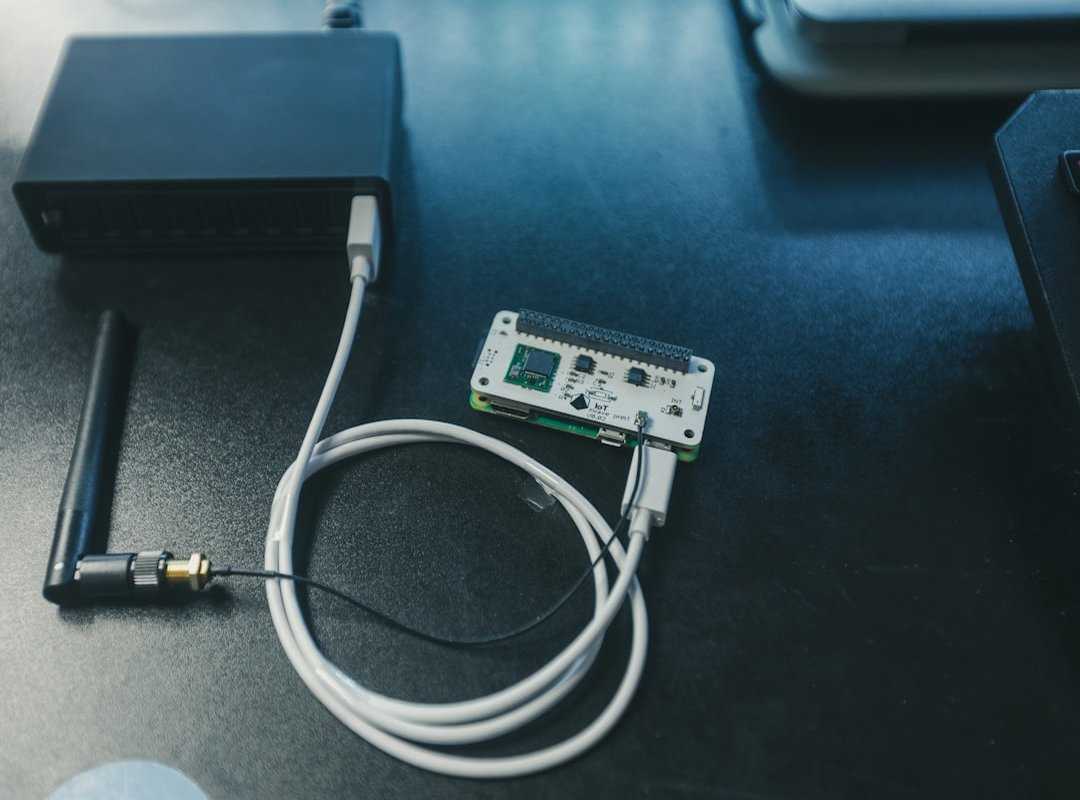
It’s the logical step when you want to really improve gaming PC performance. Let’s talk about where you should focus your cash.
First up, the graphics card (GPU). This is the big one. The king of delivering those sweet frames per second.
It’s the main component that renders game visuals, so if you’re looking for a noticeable impact, start here. You want smooth, right? Then invest in a solid GPU.
But don’t ignore the CPU. It’s key for high-refresh-rate gaming. If you’re into games like plan titles or massive multiplayer shooters, you’ll want a CPU that can keep up.
Ever tried running a big game on an old CPU? It’s like watching paint dry.
Then there’s RAM. Jumping from 8GB to 16GB might seem like a small change, but it’s the modern standard. This upgrade reduces stuttering and improves multitasking.
It frees up your system to handle more at once. Who doesn’t want that?
And let’s not forget storage. An NVMe SSD is not going to boost your FPS. But the quality-of-life improvement is undeniable.
Game load times plummet with these drives. You get into the action faster, which is what we all want, right?
Pro tip: Don’t go broke on these upgrades. Be strategic. You don’t need the latest and greatest to see an improvement.
Check out some options for the best accessories enhancing gameplay. It might save you a headache (and) a chunk of change.
In the end, it’s about making smart choices. Prioritize upgrades that offer the most bang for your buck. That’s how you truly improve a gaming PC without breaking the bank.
Overclocking: Squeeze More from Your Hardware
Overclocking is like tuning a car’s engine. You’re pushing it to run faster than its original setup. I’ve been there, tweaking my CPU and GPU to get that extra juice.
Want to improve your gaming PC? Overclocking can boost performance by 5-15%. But it’s not all roses.
There’s a catch. More heat, more stress, and possibly fried components if you mess up. I learned the hard way when my system crashed mid-game.
Don’t want that, right?
Pro tip: Stick to well-regarded software like MSI Afterburner for GPUs. It’s reliable. And follow guides from tech pros.
Look, every component’s different. You need a tailored approach.
Going off-script can mean trouble. System instability isn’t fun when you’re mid-boss fight. Trust me, read those guides.
It’s like having a GPS for your PC. Properly done, overclocking is worth it. But be smart about it.
Take Control of Your PC and Dominate the Game
If you’re gaming, your skills should be the star (not) your PC’s hiccups. That’s been the crux, hasn’t it? You’ve got the talent, but those lag spikes say otherwise.
I’ve laid out the steps: start with free software tweaks, then look at hardware upgrades. This isn’t just about smoother gameplay. It’s about breaking those performance chains and reaching your competitive potential.
Why settle for less when improving is within reach? Ready to improve gaming PC performance? Dive into Section 1 today.
Your future rank will thank you.
Let’s face it, you don’t have time for a sluggish PC holding you back. Make the change. Start now.
Don’t let your hardware be the excuse. Reclaim control over your gaming experience.
 Elyndra Xelthorne is the kind of writer who genuinely cannot publish something without checking it twice. Maybe three times. They came to core gaming concepts and mechanics through years of hands-on work rather than theory, which means the things they writes about — Core Gaming Concepts and Mechanics, Hot Topics in Gaming, Expert Insights, among other areas — are things they has actually tested, questioned, and revised opinions on more than once.
That shows in the work. Elyndra's pieces tend to go a level deeper than most. Not in a way that becomes unreadable, but in a way that makes you realize you'd been missing something important. They has a habit of finding the detail that everybody else glosses over and making it the center of the story — which sounds simple, but takes a rare combination of curiosity and patience to pull off consistently. The writing never feels rushed. It feels like someone who sat with the subject long enough to actually understand it.
Outside of specific topics, what Elyndra cares about most is whether the reader walks away with something useful. Not impressed. Not entertained. Useful. That's a harder bar to clear than it sounds, and they clears it more often than not — which is why readers tend to remember Elyndra's articles long after they've forgotten the headline.
Elyndra Xelthorne is the kind of writer who genuinely cannot publish something without checking it twice. Maybe three times. They came to core gaming concepts and mechanics through years of hands-on work rather than theory, which means the things they writes about — Core Gaming Concepts and Mechanics, Hot Topics in Gaming, Expert Insights, among other areas — are things they has actually tested, questioned, and revised opinions on more than once.
That shows in the work. Elyndra's pieces tend to go a level deeper than most. Not in a way that becomes unreadable, but in a way that makes you realize you'd been missing something important. They has a habit of finding the detail that everybody else glosses over and making it the center of the story — which sounds simple, but takes a rare combination of curiosity and patience to pull off consistently. The writing never feels rushed. It feels like someone who sat with the subject long enough to actually understand it.
Outside of specific topics, what Elyndra cares about most is whether the reader walks away with something useful. Not impressed. Not entertained. Useful. That's a harder bar to clear than it sounds, and they clears it more often than not — which is why readers tend to remember Elyndra's articles long after they've forgotten the headline.