
You’ve dropped serious cash on a killer gaming rig, yet those victories still slip through your fingers. Ever wonder why? Spoiler: it might be your so-called “premium” display.
Marketing throws around “premium gaming displays” like a magic spell, and you’re left sorting the real from the fluff. I’ve spent years in the trenches of competitive gaming, tearing apart setups to see what actually works. Trust me, not all that glitters is gold.
Ready to slice through the noise? We’re diving deep into the world of high-end gaming monitors. I’ll cut past the hype, help you decode those spec sheets, and make sense of the trade-offs.
This isn’t about emptying your wallet. It’s about leveling up your gameplay for real.
The Core Four: Specs That Win Games
Let’s get straight to it: if you’re not up on your high-end gaming monitors, you’re falling behind. Refresh rate is where it starts. Think of it as the number of times your screen updates per second. That enemy peeking around the corner?
Seeing 240 frames instead of 60 can change everything. Anything below 144Hz? Might as well be a water pistol in a shootout.
Then there’s response time. A lot of marketing noise about “1ms” response times, right? It’s not all it’s cracked up to be.
What you need to know is the Gray-to-Gray (GtG) versus Motion Picture Response Time (MPRT). Slow response time means ghosting. That’s the last thing you want when precision matters.
Lose a headshot and blame the blur.
Panel type is another battlefield. You like dark blacks and perfect response? OLED’s your champion.
Need color accuracy and angles? Go IPS. VA panels?
Sure, if you fancy deep blacks, but beware the smearing. Each has its give and take.
Resolution? It’s a balancing act between clarity and performance. Sticking with 1080p is safe, but does it push boundaries? 4K might seem tempting, but real talk: it often sacrifices refresh rate unless your GPU is top-tier. 1440p, though?
That’s your sweet spot.
And while we’re at it, choosing right gaming chair comfort matters too. You don’t want to win a game but lose your back. These are the real edges; these are what set you apart.
OLED vs. IPS: The Showdown for Gamers
Deciding between OLED and high-refresh IPS panels is the big question for high-end gaming monitors. Both have their perks. to it.
OLED screens offer near-instantaneous pixel response times. This almost wipes ghosting off the map. Perfect blacks and infinite contrast make enemy spotting in dark scenes a breeze.
It’s like having the edge in a horror movie, minus the popcorn. But there’s the dreaded burn-in. While modern features help, it’s still a long-term risk.
You have to ask yourself: are you in it for the long haul?
High-refresh IPS panels have been the esports go-to. Their higher peak brightness can save your eyes in bright rooms. This isn’t just marketing blabber; it’s backed by history.
The maturity of this tech means plenty of options and often lower prices for the same refresh rates. Plus, Mini-LED backlights are stepping up IPS contrast game against OLED. Who doesn’t love a good underdog story?
So, which should you choose? It depends on your priorities. OLED is fantastic for those who crave motion clarity and contrast.
It’s a dream for single-player story games where every shadow counts. If you’re an FPS or esports pro, IPS might be your best bet. It’s about that maximum brightness and dodging the burn-in nightmare.
Want to know more about the top choices? Check out the 6 best gaming monitors of 2026. It’s a solid guide for anyone on the fence.
(okay, I said it), the decision comes down to what kind of gamer you are. There’s no wrong choice here. Just different paths to victory.
Choose wisely, and happy gaming!
Don’t Bottleneck Your Build: GPU and Display Harmony
Here’s a common mistake. You buy a high-end gaming monitor, dreaming of ultra-smooth gameplay, but your PC can’t keep up. Frustrating, right?
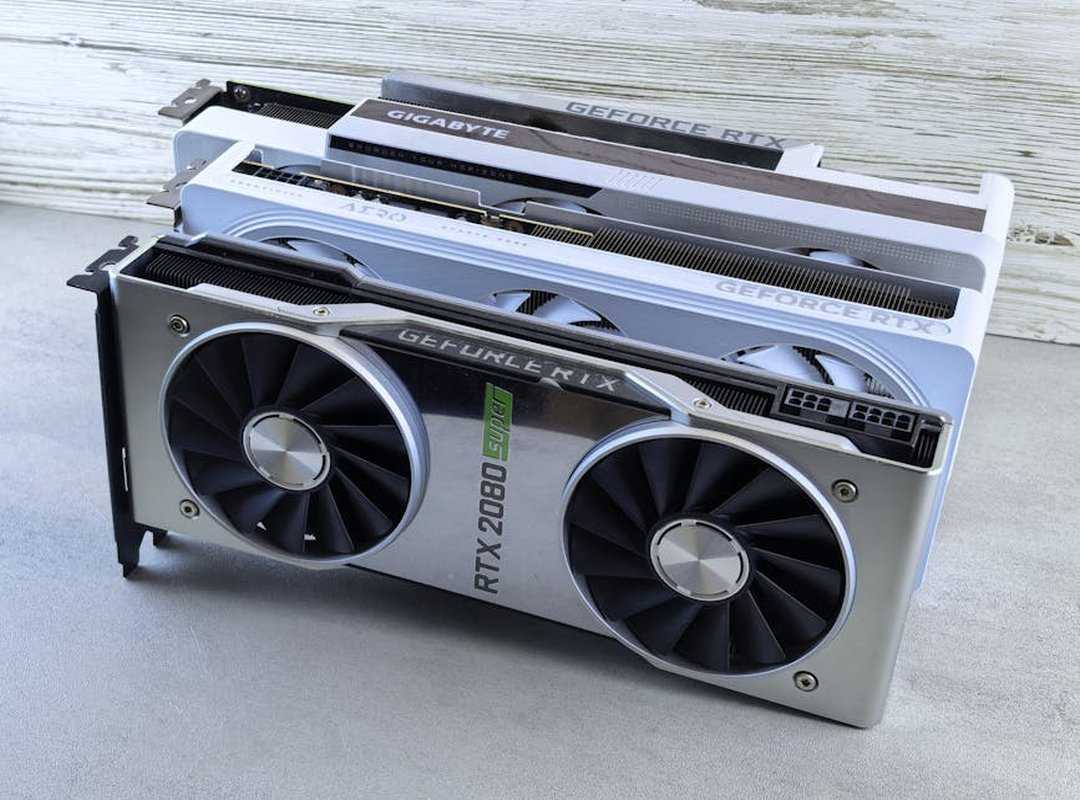
Your GPU renders frames. Your monitor shows them. Simple.
If your GPU pushes 100 FPS, a 240Hz monitor can’t magically show 240 frames. It’s like buying a sports car but driving it in traffic.
Let’s break it down. Good, Better, Best. A mid-range GPU (think 100-160 FPS in most games) shines with a 1080p 165Hz or 1440p 144Hz display. High-end GPUs?
They thrive with 1440p 240Hz or even a 4K 144Hz screen. Don’t go overboard unless your GPU can handle it.
Consider genres too. For competitive shooters like Valorant or CS:GO, refresh rate is king. You need those extra frames for a split-second advantage.
But for RPGs or plan games, visual fidelity can be more immersive. A 4K display reveals details you never noticed. But do you really need it at 144Hz?
Maybe not.
Pro tip: Check your favorite game’s FPS before buying. You can improve your gaming pc setup for performance gains too. Why spend extra on a screen your GPU can’t use?
It’s about matching capabilities. You wouldn’t wear a tux to a barbecue, right?
In the end, matching your display to your GPU saves money and frustration. And if you want to splurge on high-end gaming monitors, make sure your setup’s ready to do them justice. No one likes wasted potential.
The Unsung Heroes: Features That Sharpen Your Competitive Edge
When you’re diving into high-end gaming monitors, it’s the details that matter. You know that feeling when screen tearing ruins a perfect headshot? Well, Variable Refresh Rate (whether you’re team G-Sync or FreeSync) is your friend here.
It smooths out visuals and keeps your focus where it should be: on the game, not on frustrating stutters. Different tiers like G-Sync Compatible and Ultimate offer varying levels of smoothness, so choose wisely.
Black Equalizer or Shadow Boost is like having a legal wallhack. You know what I mean? It brightens those darn shadowy corners without making the rest of the screen look like a flashlight hit it.
Finding those sneaky opponents just got a whole lot easier.
Let’s talk about input lag. Not to be confused with response time, input lag is the delay between your move and the screen’s reaction. In gaming, speed matters.
Every high-end gaming monitor worth its salt needs a low-lag mode to keep you competitive.
Oh, and don’t skimp on ergonomics. An adjustable stand is a must for those marathon sessions. Plus, make sure you’ve got DisplayPort 1.4 or HDMI 2.1 to handle those high resolutions and refresh rates like a pro.
Raise Your Game with the Right Display
You’ve got the knowledge now. The chaos of marketing hype doesn’t stand a chance against you. Picking the right high-end gaming monitors isn’t just luck; it’s a calculated move.
Remember, the core problem isn’t just choosing any premium display. It’s about aligning the right tech (like OLED or IPS, refresh rate or resolution) with your specific games and hardware. It’s all about plan.
The display isn’t merely a screen. It’s an extension of your skill. It delivers more visual cues, faster reactions.
So, what’s next? Use this guide to audit your setup. Plan your monitor upgrade wisely.
Turn a simple purchase into a strategic edge. Don’t just play. Dominate.
Ready to transform your gaming experience? Start now. Your competitors won’t know what hit them.
 Elyndra Xelthorne is the kind of writer who genuinely cannot publish something without checking it twice. Maybe three times. They came to core gaming concepts and mechanics through years of hands-on work rather than theory, which means the things they writes about — Core Gaming Concepts and Mechanics, Hot Topics in Gaming, Expert Insights, among other areas — are things they has actually tested, questioned, and revised opinions on more than once.
That shows in the work. Elyndra's pieces tend to go a level deeper than most. Not in a way that becomes unreadable, but in a way that makes you realize you'd been missing something important. They has a habit of finding the detail that everybody else glosses over and making it the center of the story — which sounds simple, but takes a rare combination of curiosity and patience to pull off consistently. The writing never feels rushed. It feels like someone who sat with the subject long enough to actually understand it.
Outside of specific topics, what Elyndra cares about most is whether the reader walks away with something useful. Not impressed. Not entertained. Useful. That's a harder bar to clear than it sounds, and they clears it more often than not — which is why readers tend to remember Elyndra's articles long after they've forgotten the headline.
Elyndra Xelthorne is the kind of writer who genuinely cannot publish something without checking it twice. Maybe three times. They came to core gaming concepts and mechanics through years of hands-on work rather than theory, which means the things they writes about — Core Gaming Concepts and Mechanics, Hot Topics in Gaming, Expert Insights, among other areas — are things they has actually tested, questioned, and revised opinions on more than once.
That shows in the work. Elyndra's pieces tend to go a level deeper than most. Not in a way that becomes unreadable, but in a way that makes you realize you'd been missing something important. They has a habit of finding the detail that everybody else glosses over and making it the center of the story — which sounds simple, but takes a rare combination of curiosity and patience to pull off consistently. The writing never feels rushed. It feels like someone who sat with the subject long enough to actually understand it.
Outside of specific topics, what Elyndra cares about most is whether the reader walks away with something useful. Not impressed. Not entertained. Useful. That's a harder bar to clear than it sounds, and they clears it more often than not — which is why readers tend to remember Elyndra's articles long after they've forgotten the headline.