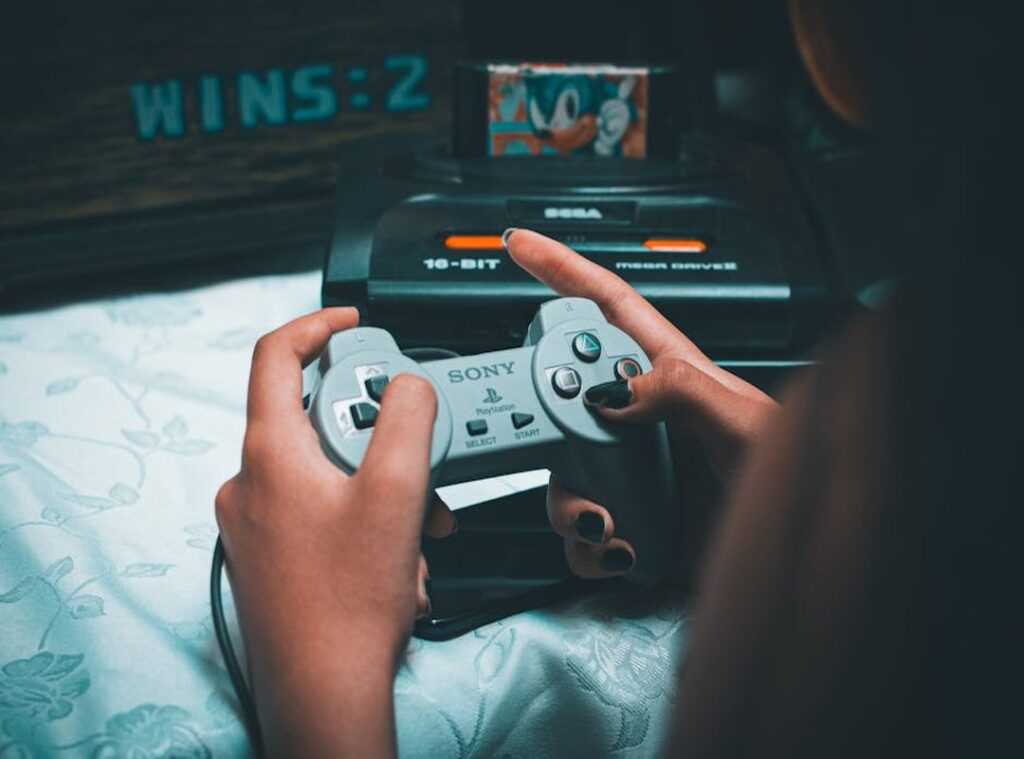
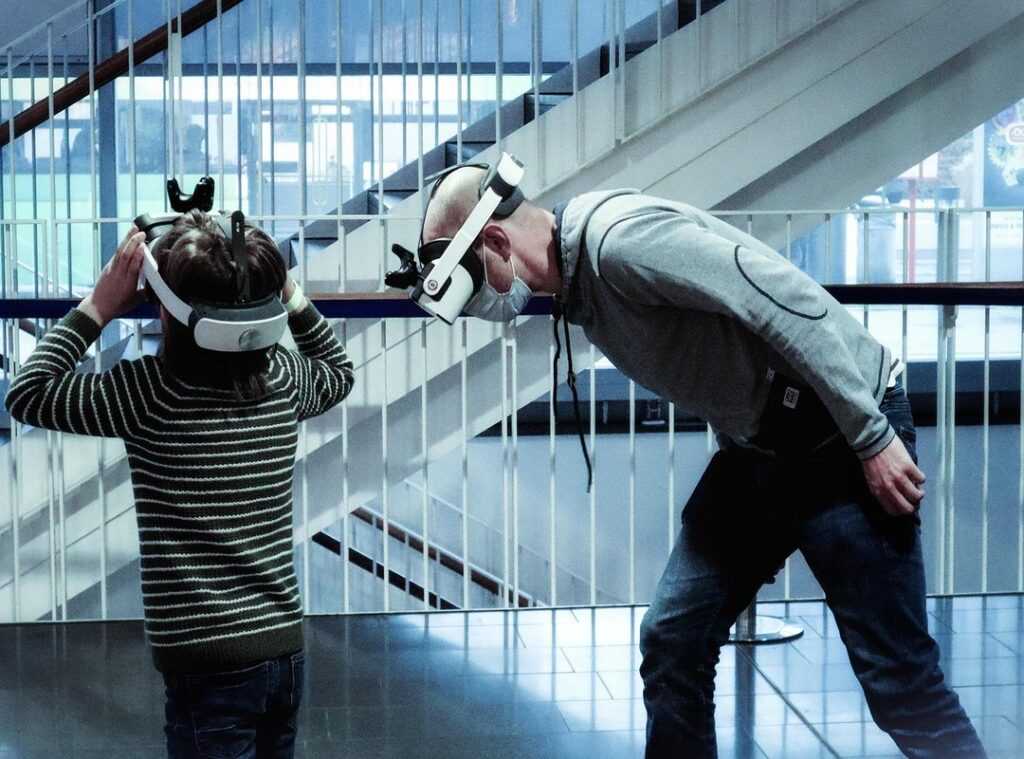
Ever been so deep into a game that the screen fades away? It’s just you and the game, right? That’s what I’m talking about.
People think they need top-tier gear to win. They’re wrong. It’s not just about the equipment but about the mindset.
When it comes to gaming, especially virtual reality gaming, immersion is king. I get it. You want to win.
I’m here to tell you that being “in the zone” isn’t just for pros. to the competitive mechanics and psychology that really drive success. This isn’t about splurging on fancy VR kits. It’s about mastering a mental state that improves your game across any platform.
Stick with me. You’re getting a no-nonsense guide to achieving true immersion.
What ‘Immersion’ Really Means in a Game Arena
Let’s cut through the fluff. Immersion isn’t just a buzzword marketers throw around to sell you on virtual reality gaming. It’s about entering “flow,” a state where thinking about the game controls or interface becomes unnecessary. Your reaction becomes instinctual, and plan feels as natural as breathing.
Think of a pro athlete. They don’t calculate every move or anticipate plays with conscious thought. It just happens.
That’s the kind of smooth connection I’m talking about in competitive gaming.
There’s a big difference between just losing yourself in a story (narrative immersion) and reaching that intuitive gameplay (competitive immersion) where the mechanics and environment are second nature.
Why is this so key? Simple. Faster reaction times and better spatial awareness.
This state reduces mental fatigue, too. Ever played a match where your brain feels like mush afterward? Achieving immersion helps avoid that.
And it’s not some mystical talent you’re either born with or not. No, it’s trainable. You can practice and improve, turning competitive immersion into a routine skill.
Got to say, the parallels with traditional sports don’t stop there. Whether you’re shooting hoops or playing a virtual reality game, the mental state of flow separates the good from the great.
And hey, speaking of change, have you checked out the blockchain influence on gaming? It’s reshaping the space in ways that could affect how we experience immersion in the future.
Get ready because what’s coming next in gaming is going to need us to define immersion beyond what we’re doing today.
Unlocking True Immersion: The Three Pillars
Immersive gaming setups can transform your experience into something amazing (when done right). Look, anyone can throw money at high-end gear, but what really matters is the interplay between senses, control, and environment. Here’s how you get it right.
Pillar 1: Sensory Synchronicity
Your eyes and ears must be in harmony. It’s not just about flashy graphics. It’s about having a clean, responsive visual experience.
High refresh rates (those buttery smooth frame changes) and optimized settings are your best friends. Combine that with precise audio cues. Can you hear footsteps behind you?
That’s the kind of audio you need. It builds a mental map of the action around you, much like in virtual reality gaming. When you truly feel surrounded by the game world, immersion isn’t just a possibility; it’s a guarantee.
Pillar 2: Smooth Control
Peripherals should feel like they’re part of you. Ever tried using a mouse with lag? It’s torture.
Low latency and consistent performance are key. Your mouse, keyboard, or controller should feel like an extension of your body. Ergonomic comfort can’t be overlooked either.
If you’re fighting against your gear, how can you expect to focus on your game? Your intent should flow directly into the action without any barriers.
Pillar 3: Environmental Isolation
Distractions? Kill them. You need to eliminate anything that pulls you out of your focused state.
A cluttered desk or background noise can be your worst enemies. Clear your space. Mute on-screen notifications.
Simplify your HUD. Create a ‘bubble’ of focus. Want a cheat code?
Noise-canceling headphones. They create a sonic barrier between you and the world. More time in the zone means more victories.
These are your three pillars of immersion. Master them, and your gaming experience will never be the same. Trust me.
Level Up: Gear for Total Gaming Immersion
Let’s talk about squeezing every drop of performance from your gear. Virtual reality gaming isn’t just about flashy headsets. It’s about optimizing what you have (or will have) for a competitive edge that feels both solid and intuitive. And let me tell you, audio settings are a game-changer.

Instead of splurging on the latest headset, focus on mastering your existing one. Dive into those EQ settings. Spatial audio transforms your surroundings, giving you the jump on opponents before they even know you’re there.
Now, visuals. Everyone loves eye candy, but do you know what’s better? A smooth, fluid experience.
Refresh rate (measured in Hz) and response time (in ms) aren’t just numbers. They’re the difference between connecting with your game and just watching it. Lower response times mean less lag and more instinctive reactions.
Adjust those in-game video settings. Prioritize performance over cinematic effects for clarity. No one’s impressed by lag-induced deaths, trust me.
On to controls. It’s about the gear but how you use it. Discovering that perfect sensitivity and DPI can feel like an art form.
Muscle memory is your secret weapon. The moment you find that sweet spot, victories will feel inevitable. Stick with your chosen setup.
Avoid hopping from one device to another unless you enjoy ‘re-learning’ your controls every time.
This isn’t just about buying the best gear. It’s about making the most of what you have. The impact of being dialed in is huge.
Speaking of impact, if you’re curious about the impact of AI on game development, it’s a topic worth diving into.
In the end, it’s about you and your game. Make those tweaks now and feel the difference.
The Final Boss: Mastering Your Own Mindset
Think about it: can gear really buy you victory? No way. Mastery in virtual reality gaming is all about what’s in your head.
True immersion (that almost mythical flow state) is a mental skill.
So how do you get there? Pre-game routines help. Warm-up exercises.
Even mindfulness practices. Getting into a flow state on command is like having a superpower. But there’s a catch.
Tilt. That pesky immersion-killer. Ever felt that rising frustration?
Like you can’t focus because your mind is racing? Yeah, me too.
Here’s where you step up. Take a tactical pause. Sounds basic, but it works.
Or try a breathing exercise. Count to ten. Reset.
I swear by a mental mantra. Something simple like, “Stay calm, stay sharp.” It’s a game-changer.
But don’t forget. Mental resilience is just as key as mechanical skills. No resilience, no win.
Deep immersion is your key to unlocking the next level.
Pro tip: Invest in your mental game as much as your gear. It’s the ultimate edge. And that’s the real secret sauce.
Winning isn’t just about reflexes. It’s about mental strength. Got it?
Let’s play.
Level Up Your Game with Immersion
Here’s the deal: virtual reality gaming isn’t just about the gear. It’s about building a competitive state by combining technology, environment, and mindset. Buying better equipment without understanding immersion only leads to frustration and stagnation.
That’s why you need a complete approach that unites mind and machine to gain a real edge.
Ready to up your game? Pick one pillar from this guide and focus on it during your next session. Experience how deep immersion translates directly to decisive wins.
Don’t just play. Live it. Dive in, and watch your game transform.
You’ll see the difference.
 Elyndra Xelthorne is the kind of writer who genuinely cannot publish something without checking it twice. Maybe three times. They came to core gaming concepts and mechanics through years of hands-on work rather than theory, which means the things they writes about — Core Gaming Concepts and Mechanics, Hot Topics in Gaming, Expert Insights, among other areas — are things they has actually tested, questioned, and revised opinions on more than once.
That shows in the work. Elyndra's pieces tend to go a level deeper than most. Not in a way that becomes unreadable, but in a way that makes you realize you'd been missing something important. They has a habit of finding the detail that everybody else glosses over and making it the center of the story — which sounds simple, but takes a rare combination of curiosity and patience to pull off consistently. The writing never feels rushed. It feels like someone who sat with the subject long enough to actually understand it.
Outside of specific topics, what Elyndra cares about most is whether the reader walks away with something useful. Not impressed. Not entertained. Useful. That's a harder bar to clear than it sounds, and they clears it more often than not — which is why readers tend to remember Elyndra's articles long after they've forgotten the headline.
Elyndra Xelthorne is the kind of writer who genuinely cannot publish something without checking it twice. Maybe three times. They came to core gaming concepts and mechanics through years of hands-on work rather than theory, which means the things they writes about — Core Gaming Concepts and Mechanics, Hot Topics in Gaming, Expert Insights, among other areas — are things they has actually tested, questioned, and revised opinions on more than once.
That shows in the work. Elyndra's pieces tend to go a level deeper than most. Not in a way that becomes unreadable, but in a way that makes you realize you'd been missing something important. They has a habit of finding the detail that everybody else glosses over and making it the center of the story — which sounds simple, but takes a rare combination of curiosity and patience to pull off consistently. The writing never feels rushed. It feels like someone who sat with the subject long enough to actually understand it.
Outside of specific topics, what Elyndra cares about most is whether the reader walks away with something useful. Not impressed. Not entertained. Useful. That's a harder bar to clear than it sounds, and they clears it more often than not — which is why readers tend to remember Elyndra's articles long after they've forgotten the headline.