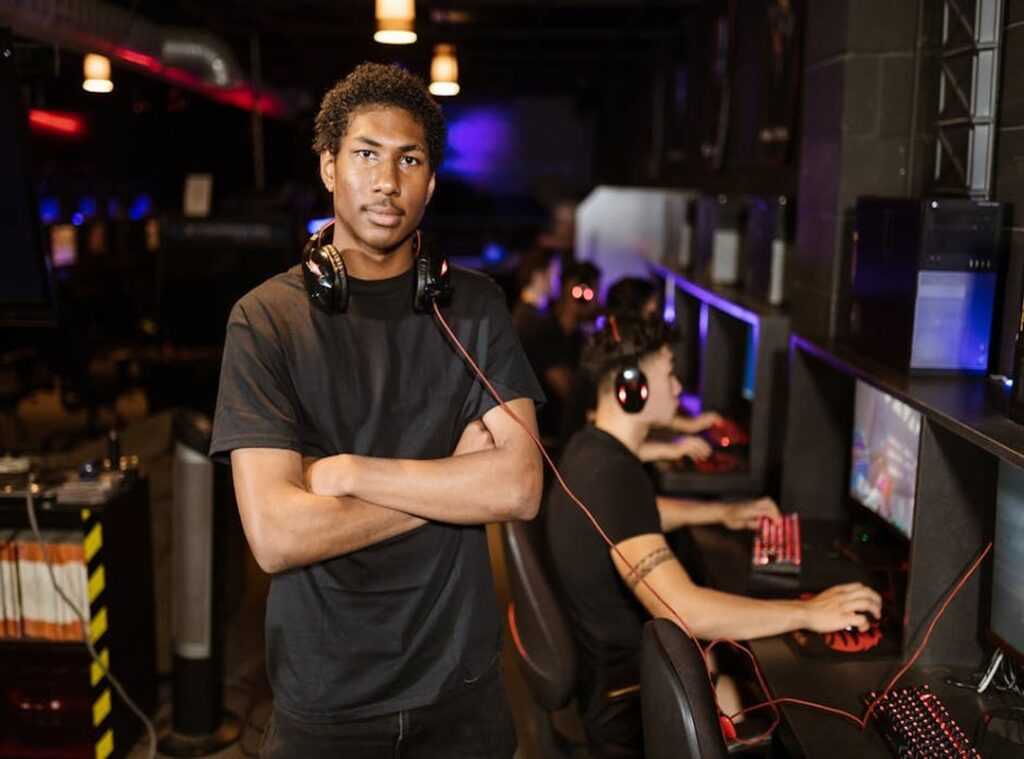

Ever been there? The biggest esports match of the year is about to start, and you’re lost trying to find a place to watch. The clock’s ticking, and you’re stuck with lagging streams or chats filled with trolls.
Frustrating, right?
This guide is here to end that madness. I know the competitive gaming scene inside out. I’ve spent countless hours watching and analyzing different platforms during major tournaments.
I’m not here to waste your time with fluff. You need to know which streaming platforms esports fans use without the headache.
We’ll cut through the noise and rank the top esports streaming services. Stream quality, community vibes, exclusive content (this) is what really matters. By the end, you’ll know exactly where to tune in, enjoy the game, and skip the chaos.
Twitch vs. YouTube Gaming: The Streaming Showdown
When it comes to streaming platforms, the heavyweight fight boils down to Twitch and YouTube Gaming. These platforms dominate the scene, especially in esports. So, which one deserves your attention?
Community & Interactivity: Twitch is all about the emotes. It’s like a chaotic party, with fans hyping each other up in real-time. Quick reactions. Inside jokes. YouTube, on the other hand, feels like a more traditional comment board. It’s slower, more thoughtful. Perfect for detailed discussions. Are you after the thrill of live engagement or a place to dive deep into analysis?
Broadcast Quality & Features: Twitch’s low latency means you’re almost in sync with live events. No spoilers. But YouTube offers higher bitrates, which means better video quality.
Plus, YouTube’s rewind feature is unbeatable for those “did I just see that?” moments. You can jump back and forth without missing a beat. What’s more important for you: precision timing or crystal-clear visuals?
Exclusive Content & Partnerships: YouTube has locked in some big deals. Call of Duty League. Overwatch League.
If you’re into those, they’re on YouTube. But Twitch? It’s the wild west of individual creators.
Massive variety, tons of unique streams. You’ll find something different every time you log in. Are you after exclusive big-name streams, or do you prefer exploring the vast world of creators?
Now, the verdict: For pure community engagement, Twitch is king. You’ll be part of an active, lively crowd. But for the best raw video quality, YouTube has the edge.
It’s a different flavor of streaming. And let’s be honest, both platforms are shaping the evolution of esports past present future. They’re changing how we engage with esports, each in their unique way.
So, what’s your call? Do you want the hustle and bustle of Twitch, or the polished quality of YouTube? Choose wisely, because each offers a distinct experience.
Whatever you pick, it’s clear that these two giants will keep battling it out, pushing the boundaries of what streaming platforms can do.
The Up-and-Comer: Is Kick a Real Contender?
Kick is shaking things up. It’s the new kid on the block, grabbing attention with big streamer signings and a reputation that’s, well, let’s just say it’s not squeaky clean. But here’s the kicker (pun intended): the creator-friendly revenue split.
This is a big deal. Why? It attracts top talent, and top talent pulls in viewers.
It’s a cycle that can’t be ignored.
Now, should you be watching esports on Kick? That’s the million-dollar question. Right now, it’s a mixed bag.
You get individual pro players streaming more often than actual tournament broadcasts. For the hardcore esports fan looking for official tournaments, it’s not quite there yet. But if you’re into watching pros casually grind, it has its moments.
Let’s talk competition. Compared to Twitch and YouTube, Kick still feels raw. Sure, it has looser moderation policies, which can make for an edgier experience, but that might not be everyone’s cup of tea.
Twitch dominates with its polished interface and YouTube, well, it’s got reach. Kick’s betting on something different: its community and revenue model.
, Kick is a high-risk, high-reward platform. It’s exciting, yes, but not yet a replacement for the giants for serious tournament viewing. It’s definitely one to watch for the future.
For a detailed look at how Kick stacks up, check out the streaming platforms esports comparison. It’s a wild world out there, and Kick is just getting started.
The Winning Plan: Choose a Platform Based on Your Game
Let’s cut to the chase. When it comes to streaming platforms esports, the game you love should dictate where you watch. It’s not about the platform.
It’s about the game.
Take League of Legends and VALORANT. Twitch reigns supreme here. Riot’s official channels are all over it, and the community is massive.
Co-streaming is a thing, and you can jump into the action with your favorite streamers. If you’re not on Twitch for these games, you’re missing out.
Now, Dota 2. Sure, Twitch is great, especially for The International. But don’t ignore YouTube.
It’s got high-quality VODs (that’s video on demand, by the way), perfect for catching up on missed matches. YouTube’s interface can be a bit cleaner too. So if you want to watch without the live chat chaos, maybe give it a shot.
Counter-Strike 2 fans, you’re in a unique spot. Major tournaments are on both Twitch and YouTube. Wondering which to choose?
If you want those sweet Twitch drops, go there. But if you’re after a more polished viewing experience, YouTube might be your friend. It’s all about what you prioritize.
For more takeaways into where these games rank among others, check out Top Multiplayer Games 2023. It’s got the scoop on what games are leading the pack this year.
In the end, it’s simple. Focus on your game, not the platform. That’s how you get the best experience.
Why settle for less?
The Features That Separate Champions from Contenders
When it comes to choosing streaming platforms esports fans can truly rely on, there are a few key features that are non-negotiable.
First up is latency. You know that awkward pause between when something happens and when you actually see it? That’s latency.
Low latency modes are key. Nobody wants to feel left out when the live action is happening. It’s like watching a movie with a spoiler hanging over your head.
Next up, VOD & Clip Functionality matters. How easy is it to access past matches or share epic moments? Twitch’s clipping system is top-notch, while YouTube’s VOD is more your basic, run-of-the-mill experience.
Then there’s the mobile app experience. Does the app crash every five minutes? Is your battery begging for mercy after just one game?
A good app should be stable, power-fast, and let you cast to a TV without a hitch. Nothing kills the mood quicker than a lousy app.
Finally, discovery and navigation. Is the UI a mess that needs a PhD to get through? Finding your favorite player or match should be effortless, not a treasure hunt.
Put these features to the test. They’ll help you separate champions from mere contenders.
Choose Your Arena and Dive In
Let’s face it, picking from the endless streaming platforms esports feels like a chore. Who needs that headache? The answer’s simple: your choice depends on your game of choice, the community vibe you crave, and the features you can’t live without.
Don’t just sit there. The next big tournament’s almost here. Use this guide, make your pick, and dive into the action.
It’s time you own your esports viewing experience. Ready to get started?
 Pagesticany Johnson writes the kind of core gaming concepts and mechanics content that people actually send to each other. Not because it's flashy or controversial, but because it's the sort of thing where you read it and immediately think of three people who need to see it. Pagesticany has a talent for identifying the questions that a lot of people have but haven't quite figured out how to articulate yet — and then answering them properly.
They covers a lot of ground: Core Gaming Concepts and Mechanics, Esports and Multiplayer Trends, Expert Insights, and plenty of adjacent territory that doesn't always get treated with the same seriousness. The consistency across all of it is a certain kind of respect for the reader. Pagesticany doesn't assume people are stupid, and they doesn't assume they know everything either. They writes for someone who is genuinely trying to figure something out — because that's usually who's actually reading. That assumption shapes everything from how they structures an explanation to how much background they includes before getting to the point.
Beyond the practical stuff, there's something in Pagesticany's writing that reflects a real investment in the subject — not performed enthusiasm, but the kind of sustained interest that produces insight over time. They has been paying attention to core gaming concepts and mechanics long enough that they notices things a more casual observer would miss. That depth shows up in the work in ways that are hard to fake.
Pagesticany Johnson writes the kind of core gaming concepts and mechanics content that people actually send to each other. Not because it's flashy or controversial, but because it's the sort of thing where you read it and immediately think of three people who need to see it. Pagesticany has a talent for identifying the questions that a lot of people have but haven't quite figured out how to articulate yet — and then answering them properly.
They covers a lot of ground: Core Gaming Concepts and Mechanics, Esports and Multiplayer Trends, Expert Insights, and plenty of adjacent territory that doesn't always get treated with the same seriousness. The consistency across all of it is a certain kind of respect for the reader. Pagesticany doesn't assume people are stupid, and they doesn't assume they know everything either. They writes for someone who is genuinely trying to figure something out — because that's usually who's actually reading. That assumption shapes everything from how they structures an explanation to how much background they includes before getting to the point.
Beyond the practical stuff, there's something in Pagesticany's writing that reflects a real investment in the subject — not performed enthusiasm, but the kind of sustained interest that produces insight over time. They has been paying attention to core gaming concepts and mechanics long enough that they notices things a more casual observer would miss. That depth shows up in the work in ways that are hard to fake.