
You’ve spent hours tweaking your Scookiepad. You thought you nailed it. Then the workflow breaks (mid-task,) no warning.
That’s not user error.
It’s a bad configuration masquerading as a solution.
I’ve tested dozens of setups. In classrooms where Wi-Fi drops mid-lecture. In studios where latency kills audio sync.
In dev teams where one misconfigured pad breaks CI/CD pipelines.
Most so-called “unique” configs are just skins over the same brittle logic. They look different. They don’t work differently.
A Special Settings Scookiepad isn’t about color schemes or shortcut labels. It’s about purpose-built interoperability. It’s about surviving version updates without retraining your whole team.
This guide cuts through the presets and marketing fluff. No theory. No vendor slides.
Just what actually holds up under real use.
You’ll learn how to spot a truly unique config. Not just one that says it is. How to test it before rolling it out.
How to adapt it when your needs shift (and they will).
I won’t tell you what’s “optimal.”
I’ll show you what’s repeatable. What’s documented. it’s still working six months later.
That’s the difference between a configuration and a liability.
This is how you build one that lasts.
Beyond Default Settings: What “Unique” Really Means
I used to think renaming a profile made it unique. (Spoiler: it didn’t.)
Real uniqueness isn’t skin-deep. It’s not swapping colors or slapping a new label on the same old logic.
It’s hardware-software co-optimization. Meaning your device and code talk to each other like teammates, not strangers.
User-defined input mapping? That’s you deciding exactly what a thumb press does in Vim versus Blender. Not what some dev guessed you’d want.
Adaptive firmware behavior means the thing changes its mind based on context. Not just “on/off”. But “oh, you’re in Python mode, so this key now inserts self.”.
Cross-platform persistence? Your setup works the same way on Linux, Windows, and macOS. No relearning.
No compromises.
If your setup doesn’t do all three (adapt) while mapping while staying consistent across machines (it’s) not truly unique. It’s just dressed up.
I tested a tactile coding pad synced to VS Code language modes. Key labels changed live. Firmware adjusted debounce timing per language.
Input mapping shifted for debug vs edit mode. It worked identically on my laptop and desktop.
That’s rare. Most tools fake it.
Learn more about how that kind of depth starts (not) with presets, but with real constraints and real choices.
Special Settings Scookiepad? That phrase shows up nowhere in the firmware. Because real configuration doesn’t need branding.
It just works. Until it doesn’t. And then you know exactly why.
You’ve felt that gap before. Right?
How to Spot a Fake Scookiepad in 5 Minutes
I open my Scookiepad. You should too.
Right now. Before you read another word.
Check the firmware version. Type scookiepad --version in terminal. If it says v2.1.0 or older, stop.
That version hardcodes USB descriptors. No amount of tweaking changes that.
Hardcoded USB descriptors = no true customization at hardware level. That’s not a bug. It’s a design choice.
A bad one.
Open your config file. Look for profile/ folders. If every profile lives under /usr/local/share/scookiepad/profiles/, that’s a red flag.
Real portability means profiles live in ~/.config/scookiepad/. Not somewhere only root can touch.
Test it. Copy that folder to a Windows machine. Try loading it in WSL.
Does it crash? Does it ignore your macros? Then your setup isn’t portable.
It’s just pretending.
Reboot. Don’t sync to cloud. Just restart.
Do your macros fire on login? If not, they’re tied to session state. Not real configuration.
Vendor claims mean nothing. I’ve seen boxes labeled “fully programmable” ship with locked EEPROM. Watch what happens.
Don’t trust the sticker.
The Special Settings Scookiepad menu won’t save you if the firmware’s frozen.
Here’s what I do: I run the audit every time I update. Every time I switch machines. Every time something feels off.
You should too.
(Pro tip: Save your working config as scookiepad-audit-good.json. Name it that. Not backup.json.
You’ll thank me later.)
Red flags aren’t warnings. They’re receipts. Proof the device isn’t yours yet.
Build Your Keyboard: A 3-Stage Workflow That Actually Works
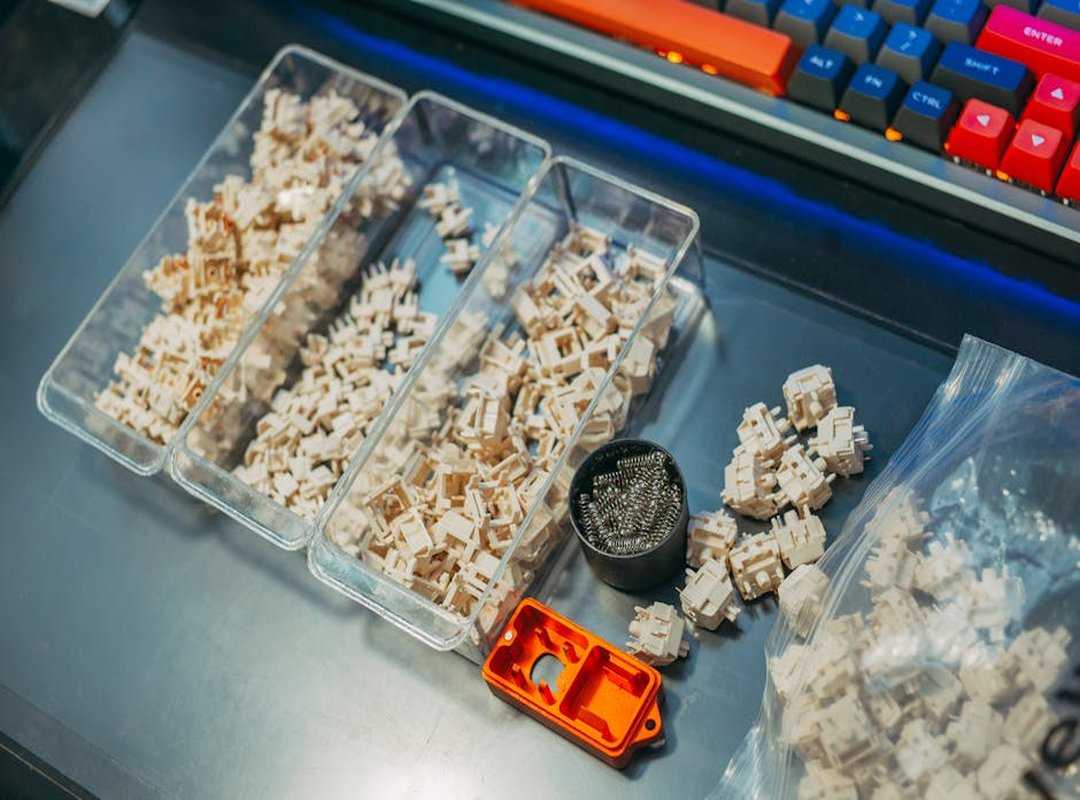
I stopped trusting prebuilt keymaps years ago. They never match how I work.
Stage 1 is brutal honesty: What’s actually slowing you down?
Not “I want efficiency.” Not “I need better UX.”
I mean: “I press Ctrl+Tab 47 times a day just to switch from VS Code to Chrome.”
Or: “I type ‘npm run dev’ more than I type my partner’s name.”
Write it down. No fluff. Just the raw friction.
Stage 2 is where most people bail. They grab a GUI tool, remap Caps Lock to Escape, call it done. Wrong.
You need Special Settings Scookiepad. Not for gimmicks, but for layered logic. Like a dual-role key that opens emoji picker in Slack but pulls clipboard history in Figma.
Here’s the real CLI command:
You can read more about this in Download Updates Scookiepad.
scpad config set --layer=dev --key=F13 --trigger=hold:emoji,press:clipboard
That’s not magic. It’s syntax. You learn it or you lose control.
Stage 3 is testing like your workflow depends on it (because) it does. Run it wired first. Then Bluetooth.
Spoiler: Bluetooth drops context-aware triggers. No exceptions. The QMK Configurator won’t tell you that.
Neither will the docs. I learned when my emoji key froze mid-Zoom call. (Turns out, BLE can’t handle rapid HID report switching.)
Battery life tanks if you let too many active layers over Bluetooth. Latency jumps in Discord but stays clean in Terminal. Test where you live.
Not in a sandbox.
You’ll hit bugs. You’ll rewrite configs three times. That’s normal.
Skip the theory. Start with one pain point. Fix it.
If you’re serious about custom hardware, download updates for Scookiepad before Stage 2. Older versions silently ignore --layer flags. I wasted two hours on that.
Why Most ‘Custom’ Scookiepad Setups Fail Long-Term (and
I built one. Then watched it break (twice.)
Most people think “custom” means designed. It doesn’t. It means maintained.
And almost no one plans for that.
Vendor firmware updates overwrite your macro logic. No warning. No rollback.
Just gone.
You don’t version-control your layout files. So when something breaks, you’re guessing which change caused it. (Spoiler: it’s always the one you didn’t write down.)
Third-party drivers vanish. One day they work. Next day (404.) And your whole setup hinges on them.
I saw a team lose three weeks because an auto-update nuked their unique macro logic. They rebuilt from memory. Wrong move.
Export config as human-readable JSON. Not binary. Not obfuscated.
JSON.
Pin firmware versions. Yes. Even if it means skipping “latest.” Stability isn’t boring.
It’s survival.
I wrote more about this in Set up Instructions.
Use Git. Track every tweak. Every key remap.
Every timeout setting.
Uniqueness isn’t about being clever once. It’s about rebuilding fast when things go sideways.
That starts with how you handle Special Settings Scookiepad. Not just what you set, but how you lock it down.
If you haven’t exported, pinned, and committed yet? Stop. Do that before you add another layer.
This guide walks through the exact steps (not) theory, just what works. this guide
Your Scookiepad Isn’t Supposed to Be Complicated
Uniqueness isn’t about stacking features. It’s about one thing done right.
You already have what it takes. One validated, persistent, context-aware key behavior is your unique configuration.
That’s it. No more overthinking.
Pick Special Settings Scookiepad. Grab one repetitive task. Spend 15 minutes.
Build the shortcut. Test it before lunch.
Your workflow shouldn’t adapt to the pad. The pad should adapt to you.