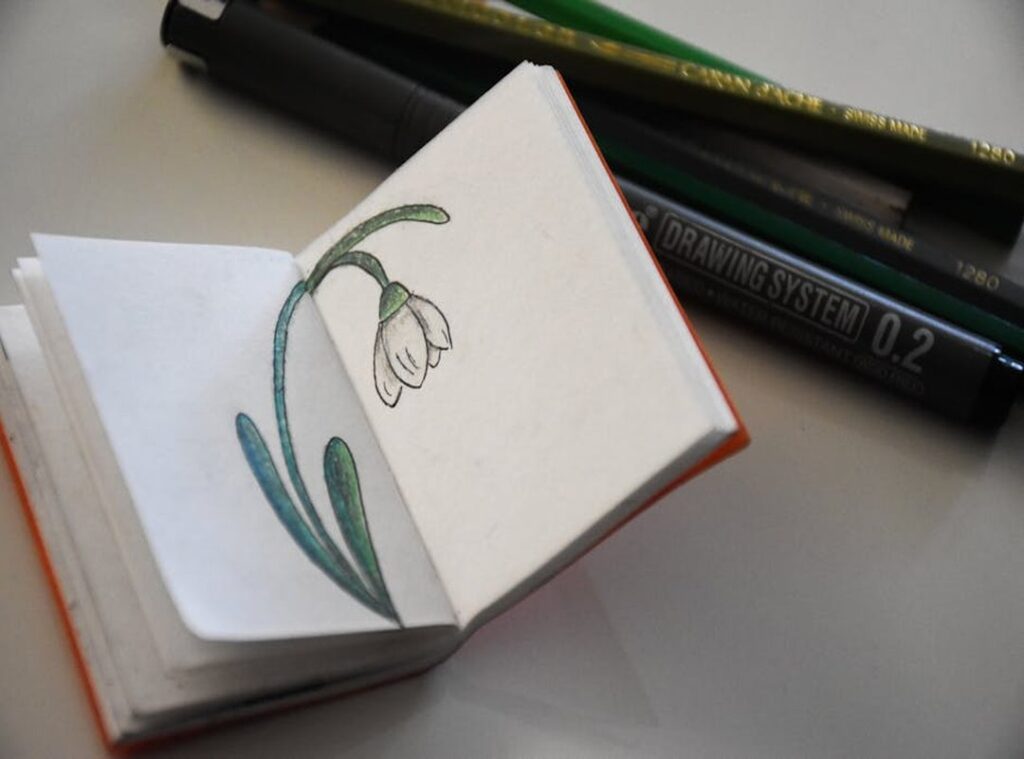
Ever been in the middle of a fast-paced battle, frantically searching your inventory, and instantly recognize that critical ability icon or health potion? It’s a moment of relief. Those tiny, meaningful small aesthetic drawings are the unsung heroes of game design.
They’re not just pretty pictures. These significant compact artistic illustrations—skill icons, status effect symbols—convey complex information quickly. They help create an immersive world.
Without them, you’d be lost in a sea of confusion.
This article is all about shining a spotlight on this crucial art form. We’ll explore what makes it effective and showcase standout examples in modern gaming. By the end, you’ll have a newfound appreciation for the immense skill packed into the smallest visual elements of the games you love.
More Than Just an Icon: The Power of Visual Shorthand
Compact and significant. That’s what you need in UI and HUD elements like ability icons, item thumbnails, and map symbols. These tiny images pack a punch.
They function as a universal language. Players can understand concepts like fire damage, stunned, or armor buff in a split second. No need to read text.
It’s all about quick recognition.
The core design challenge, and balancing artistic flair with absolute clarity. We’re talking about a very small pixel space, often 64×64 or smaller.
Take the ability icons in Overwatch , and each one is distinct yet cohesive. They create an intuitive player experience.
You know exactly what each icon means, even in the heat of battle.
In Diablo, the inventory grid is another great example. Icons are clear and consistent. You can tell at a glance which items are weapons, potions, or gear.
Style matters too. The icons in Overwatch have a clean, modern look that fits the game’s futuristic setting. In Diablo, the icons are more detailed and gritty, matching the dark fantasy theme.
Pro tip: When designing your own icons, keep it simple. Clarity should always come first. Make sure each icon stands out and is easily recognizable.
   ____
  /    \
 /      \
 \      /
  \____/
This little drawing is a reminder that even the simplest shapes can convey a lot. Keep it clean, keep it clear, and your players will thank you.
Identity in a Tiny Square: Avatars and Character Portraits
Let’s talk about something that often goes unnoticed but is crucial in gaming: character portraits and avatars. These small, static images on selection screens, party frames, and leaderboards are more than just pretty pictures.
- They communicate a character’s personality.
- They highlight the character’s role and abilities.
- They form a key part of the game’s brand identity.
Think about iconic games like Street Fighter or Apex Legends. The character portraits in these games are instantly recognizable. They help players form a personal connection with their chosen characters.
Expression, color palette, and silhouette play a big role. A well-designed portrait can tell you a lot about a character at a glance. It’s not just about looking cool; it’s about giving players a sense of who they’re playing as.
In team-based games, these portraits are even more important. Quick identification of teammates and opponents on the HUD can make the difference between winning and losing. You need to know who’s who, fast.
So, why should you care? Well, a good character portrait can enhance your gaming experience. It helps you connect with your character, express your identity, and even improve your gameplay.
That’s what’s in it for you. ????
Clarity in Chaos: Why Compact Art is Crucial for Esports
In the high-stakes world of competitive gaming and esports, every millisecond counts. Clear, compact art is not just a nice-to-have; it’s a necessity.
Professional players need to process visual information from the HUD in milliseconds. This starts with well-designed icons.
Imagine you’re in a crucial match of Valorant. You’re tracking enemy cooldowns, health bars, and ability statuses. Unambiguous icons for abilities, buffs, and debuffs are non-negotiable.
These small visual cues can make or break a game. A poorly designed icon could mean the difference between a clutch play and a devastating loss.
For both players and spectators, this visual clarity is essential. It allows commentators to effectively narrate the action and audiences to follow complex strategies.
Think about it. If you can’t quickly understand what’s happening on screen, how can you possibly keep up with the fast-paced action?
Compact, clear art isn’t just about aesthetics. It’s about creating an environment where everyone—players, commentators, and viewers—can stay engaged and informed.
Pro tip: When designing or choosing icons, always test them in real-game scenarios. Feedback from actual players can be invaluable.
Understanding the importance of visual clarity can also help you in other aspects of gaming. For example, if you want to dive deeper into how game design influences player behavior, read more about how reward systems influence player motivation.
Masterpieces in Miniature: Iconic Examples in Modern Gaming

When it comes to compact artistic illustration, a few games stand out. Let’s dive into what makes them so special.
Hearthstone is a prime example. Its card art is meticulously designed to be visually stunning at full size. But here’s the kicker: it’s also perfectly readable as a tiny thumbnail on the game board.
That balance between detail and clarity is no small feat.
Moving on to Hades. The boon icons in this game are a masterclass in design. They’re not just beautiful and thematic; they’re instantly distinguishable during frantic combat.
This kind of instant recognition is crucial in fast-paced gameplay.
Then there’s Cyberpunk 2077. The iconography for cyberware, skills, and inventory is cohesive and stylish. It enhances the game’s world-building by providing a visual language that’s both functional and immersive.
Each of these examples succeeds because they nail the principles of clarity, theme, and instant recognition. Sure, there might be other great examples out there, but these three really hit the mark.
Appreciating the Pixels That Power Your Play
Meaningful small aesthetic drawings are a foundational pillar of great game design, not just a minor detail. These elements ensure gameplay clarity, helping players understand and interact with the game world seamlessly. They build immersive worlds, making the experience more engaging and believable.
In competitive play, they enable quick decision-making and strategic depth. Next time you play your favorite game, take a moment to notice and appreciate the artistry in the icons, portraits, and UI elements. The most effective design is often invisible because it works so seamlessly, and compact game art is a perfect example of this principle in action.