

Remember that game level where everything just clicked? Perfectly designed. Intuitive and challenging.
Now think of a level that drove you nuts with its confusion and frustration. Why such a difference? That’s the magic of great level design.
And yes, there’s a method to this madness. I’ve spent years breaking down game mechanics, analyzing what makes top-tier experiences tick.
Trust me, the level design fundamentals are not some mystical secret. They’re principles you can grasp and apply. Whether you’re an aspiring designer, a curious gamer, or just someone itching to know why your favorite games captivate you.
This is your guide.
Stick with me, and by the end, you’ll understand the core principles that separate legendary maps from forgettable ones. Ready to dive in? Let’s get started.
Level Design: More Than Just Maps
Level design isn’t just about drawing maps. It’s the art of crafting the player’s journey through a game’s environment. Think of it like this: a level designer is part architect, part theme park designer.
They guide attention, create flow, and build excitement.
This isn’t just geography. It’s about experience. Level design fundamentals dictate pacing, teach mechanics without boring tutorials, and weave stories through the very walls and floors of a game.
Ever notice how a level can make you feel something? That’s intentional. It’s about creating emotional responses, not just challenges.
Imagine walking through a dense forest in a game. You hear the crunch of leaves, smell the damp earth, and see shafts of light breaking through the canopy. That’s level design working its magic.
It’s a sensory experience.
The goals? Simple. Guide, challenge, teach, and reward.
But it’s not just about ticking boxes. It’s about setting the stage for the more detailed principles that follow. Want to dive deeper into the details of game mechanics?
Check out mastering game balance essentials. It’s all connected.
Level design is the unsung hero that transforms games from simple interactions into unforgettable experiences. It’s a craft that, when done right, makes everything come alive.
Level Design Fundamentals: Flow and Player Guidance
Ever feel like you’re gliding through a game without even thinking about it? That’s what designers call “flow.” It’s all about keeping you engaged with smooth, uninterrupted movement. You don’t even notice it until you hit a break in the flow, and suddenly you’re stuck, wondering where to go next.
I hate that feeling. But when a game’s flow is good, it’s like magic.
Designers use signposting and landmarking to gently nudge you in the right direction. You might see a brightly lit doorway or a towering statue that screams, “Come this way!” (without actually screaming, of course). These visual cues are everywhere, but we don’t always recognize them.
They’re subtle and that’s the point. They guide without shoving you down a path.
Then there’s pacing, another key element. Designers mix up the rhythm of a game with action-packed moments followed by calm exploration or puzzle-solving. This back-and-forth prevents burnout.
It’s like a rollercoaster with peaks of excitement and valleys of calm. Imagine a graph with action spikes and quiet dips. You need both for balance.
Light and color are also important. They naturally draw your eye to important areas. A splash of red might indicate danger, while a warm glow could guide you to safety.
It’s instinctive, like moths to a flame (though hopefully with less disastrous results).
Mastering these techniques is integral to level design fundamentals. They’re the unsung heroes that make us fall in love with games without even knowing why.
The Art of Challenge: Risk, Reward, and the Perfect Curve
Risk versus reward. That’s the heartbeat of any great game. Players thrive on making calculated moves for better loot, secret paths, or a strategic edge.
Take Dark Souls (I know, cliché, but it’s true). You can take a risky, tougher path and snag that solid weapon you’ve been eyeing. It’s what keeps you glued to the screen.
Let’s talk about the Difficulty Curve. You know, that sweet spot where the game ramps up just right. It should start easy, teaching players what they need to know, then gradually get harder.
But not unfairly! No sudden spikes that leave you throwing your controller. A clever curve respects your growing skills without sucker-punching you out of nowhere.
Player feedback? Important. (Yeah, I said it.) A game needs to tell you when you’re screwing up or when you’ve nailed it. Satisfying hit-markers, screen shakes for big explosions.
These aren’t just flashy effects. They’re key signals. For more on how this ties into game mechanics, check out understanding hitboxes hurtboxes games.
And then there’s telegraphing. Ever faced an enemy attack that seemed to come out of nowhere? Frustrating, right?
Games should clearly signal enemy moves or environmental hazards before they hit. It’s about fairness. Players deserve challenges based on skill, not randomness.
These level design fundamentals are what separate a good game from a great one. How many times have you felt a game was just unfair? Right, too many to count.
Let’s get designing!
Building Worlds: Beyond Words
Ever walked through a deserted camp in a game and felt chills down your spine? That’s environmental storytelling at its finest. The placement of objects, like a burnt-out fire, tells you who was there before.
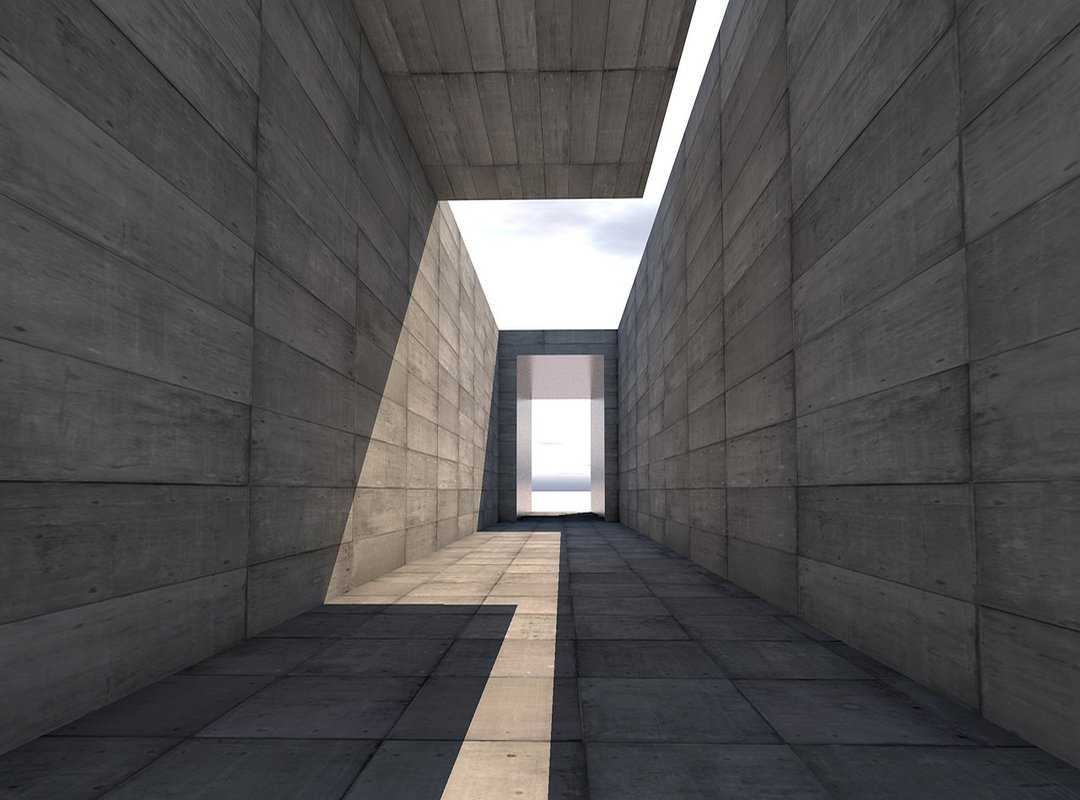
It’s like a silent movie, letting you fill in the blanks. Does it get any better than that for immersive experiences?
Let’s talk about space. Tight corridors versus wide-open spaces. One makes you feel trapped (hello, anxiety), while the other lets you breathe.
The choice between these extremes can change a player’s emotional state. It’s not just about aesthetics; it’s a psychological game.
Verticality is another beast. Adding multiple levels to a map? It transforms exploration and combat into something strategic.
You’re not just fighting enemies; you’re fighting gravity. Plus, it’s visually changing. Who doesn’t love a towering view or a sneaky high ground advantage?
Atmosphere ties it all together. Sound design, music, and visuals create a cohesive mood. Imagine a horror level without eerie music or a fantasy world without lush visuals.
It wouldn’t work. Each element must harmonize to support the theme. It’s all about creating a believable world.
Want to dig deeper? Check out level design fundamentals for more takeaways. These principles aren’t just buzzwords.
They’re the backbone of engaging game environments. So, what’s your favorite game world and why?
Your Level Design Checklist: Avoiding Common Pitfalls
Creating a game level is like crafting a story. It needs purpose and flow. Start by asking yourself, is the main path clear? (Guidance is key.) Players hate wandering aimlessly.
And what about the challenge? It needs to feel fair and increase steadily. Nobody enjoys a sudden spike in difficulty.
Next, does your level have a good mix of action and downtime? You need balance.
Are players rewarded for exploring or taking smart risks? This keeps them engaged and curious.
Now, for storytelling. Does the environment feel like a real place with history? A level should tell a story without words.
Here’s a big mistake to dodge: designing a beautiful but confusing space. Players get lost, and not in a good way. Keep it simple.
Level design fundamentals are about clarity and engagement. Nail these, and your level will shine. Ready to design?
Craft Your Game’s Journey
Great levels aren’t accidents. They’re crafted using level design fundamentals. Say goodbye to frustrating layouts and hello to intuitive, engaging experiences.
Ready to dive in? Open your favorite game, spot these principles, or sketch your ideas. Curious how far you can go?
Start designing your masterpiece now!
 There is a specific skill involved in explaining something clearly — one that is completely separate from actually knowing the subject. greta30 has both. They has spent years working with core gaming concepts and mechanics in a hands-on capacity, and an equal amount of time figuring out how to translate that experience into writing that people with different backgrounds can actually absorb and use.
greta30 tends to approach complex subjects — Core Gaming Concepts and Mechanics, Esports and Multiplayer Trends, Expert Insights being good examples — by starting with what the reader already knows, then building outward from there rather than dropping them in the deep end. It sounds like a small thing. In practice it makes a significant difference in whether someone finishes the article or abandons it halfway through. They is also good at knowing when to stop — a surprisingly underrated skill. Some writers bury useful information under so many caveats and qualifications that the point disappears. greta30 knows where the point is and gets there without too many detours.
The practical effect of all this is that people who read greta30's work tend to come away actually capable of doing something with it. Not just vaguely informed — actually capable. For a writer working in core gaming concepts and mechanics, that is probably the best possible outcome, and it's the standard greta30 holds they's own work to.