
If you’ve ever wondered why some games keep you hooked for hundreds of hours while others lose your attention in a week, the answer often comes down to video game reward systems. Players searching for deeper insight into progression loops, loot structures, ranked incentives, and unlock mechanics want more than surface-level explanations—they want to understand how these systems actually drive engagement, skill growth, and long-term retention.
This article breaks down how modern reward structures function across competitive titles and live-service games, examining core mechanics, progression pacing, and the psychology behind meaningful incentives. We’ve analyzed current esports trends, high-level competitive play patterns, and design frameworks used in today’s most successful games to ensure the insights here are practical and relevant.
Whether you’re optimizing your grind, refining your competitive climb, or simply curious about why certain systems feel more satisfying than others, you’ll find clear, experience-backed explanations to help you play smarter and progress more efficiently.
The Armory of Incentives: A Taxonomy of In-Game Rewards
As players navigate diverse gaming experiences, understanding how reward systems influence their motivation is crucial, especially in the context of How Cross-Platform Play Is Changing Online Communities and fostering deeper connections among gamers.
At the heart of all video game reward systems lies a simple question: why do players keep playing? The answer isn’t just “because it’s fun.” It’s because rewards are carefully structured.
First, let’s define two foundational terms. Intrinsic rewards are satisfying on their own—think mastery of a difficult combo or seeing a story arc resolve. The satisfaction comes from the experience itself. Extrinsic rewards, by contrast, provide external value: loot drops, gold, or XP boosts.
Some critics argue extrinsic rewards cheapen gameplay, turning meaningful progression into a grind. However, that view ignores how layered systems blend both. Mastery feels better when paired with tangible progression (beating a boss and getting a legendary sword). The magic is in the combination.
Fixed vs. Variable Schedules
Not all rewards arrive the same way. A fixed schedule delivers predictable returns—100 XP per kill, every time. A variable schedule introduces randomness, like a rare mount drop.
Behavioral psychology shows variable rewards create stronger engagement loops (Skinner, 1953). That unpredictability fuels anticipation. Still, critics call it manipulative. Fair point—yet when balanced transparently, randomness adds excitement rather than exploitation (pro tip: always check published drop rates).
Common Reward Categories
- Power Progression: Levels, gear, stat boosts.
- Access & Content: New maps, characters, modes.
- Cosmetics & Customization: Skins, emotes, visual flair.
- Currency & Resources: Gold, crafting mats, premium tokens.
What competitors often miss is how these categories intersect with mechanical literacy. For example, unlocking stronger gear matters far more when you understand frame advantages and collision logic—something covered in this beginners guide to hitboxes frame data and game physics.
Ultimately, rewards aren’t just prizes—they’re pacing tools, psychological levers, and competitive differentiators all at once.
The Player’s Brain on Loot: The Psychological Mechanics of Reward
Why does chasing rare loot feel so irresistible? The answer starts with the dopamine loop—a neurological feedback system where anticipation triggers dopamine release before the reward even arrives. Research from neuroscientist Wolfram Schultz shows dopamine spikes during the expectation of a reward, not just the reward itself (Schultz, 1997). In gaming terms, that glow from a treasure chest matters as much as what’s inside. The brain is essentially saying, “Do that again.”
Building on that, there’s the Skinner Box effect, rooted in B.F. Skinner’s work on variable ratio reinforcement—a schedule where rewards are delivered unpredictably. This is the same structure used in slot machines, and studies show it produces high, persistent engagement (Skinner, 1953). Random drops and loot boxes mirror this model. Because you might get something legendary, you keep playing. Predictable rewards feel fair; unpredictable ones feel thrilling (think Diablo loot runs at 2 a.m.).
Meanwhile, the endowment effect—a cognitive bias identified by Kahneman, Knetsch, and Thaler (1990)—explains why earned items feel more valuable than identical store-bought ones. Once players invest time customizing or grinding for gear, perceived value increases. It’s no longer pixels; it’s your build.
Finally, goal-setting theory (Locke & Latham, 1990) shows that clear, specific goals improve performance and satisfaction. Quest logs and achievement trackers create structured objectives, making completion feel earned rather than accidental. In well-designed video game reward systems, each milestone reinforces competence and progress.
Of course, critics argue these mechanics manipulate behavior. That concern isn’t baseless. However, when balanced ethically, these systems enhance motivation rather than exploit it. The difference lies in transparency and player agency (a fine line, admittedly).
From Grind to Glory: The Art of Balancing Reward Systems
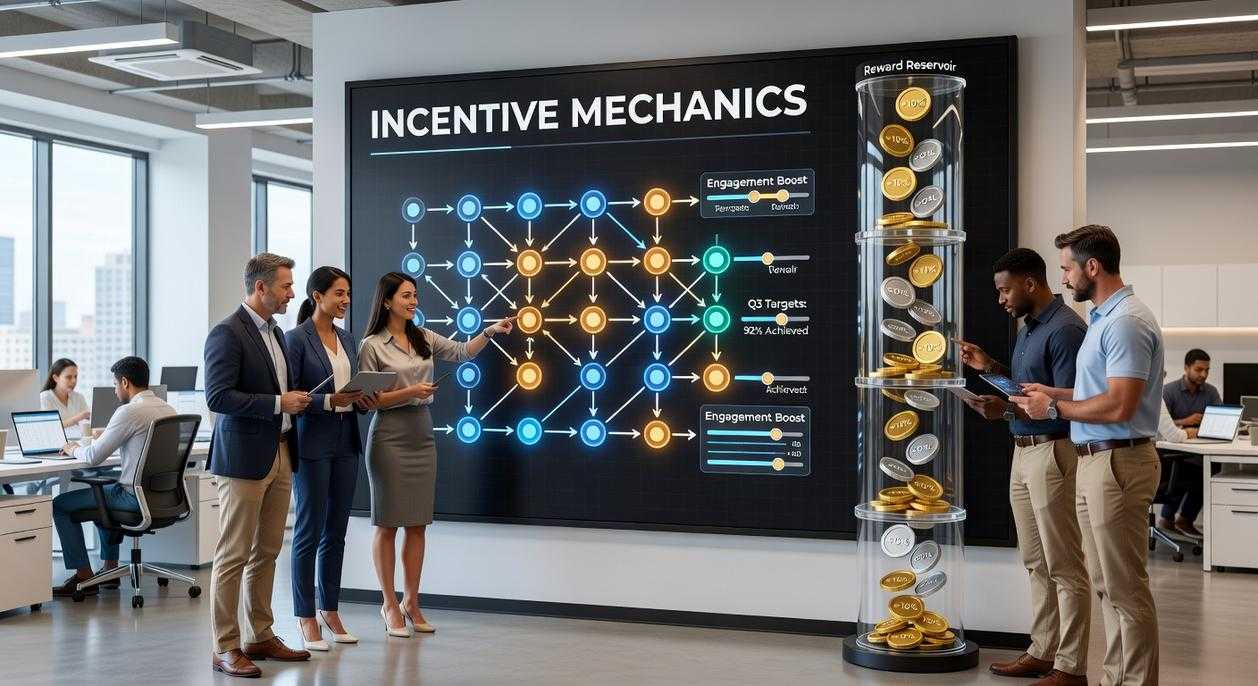
In competitive titles—from Seoul’s PC bangs packed with League of Legends grinders to late-night raid groups on NA East servers—the effort-to-reward ratio can make or break retention. This ratio measures whether the time, skill, or difficulty required feels “worth it.” If a Mythic raid drops loot worse than crafted gear, players notice (and Reddit will remind you).
Some argue that heavy grind builds prestige. Old-school MMO fans still romanticize endless mob farming in places like Stranglethorn Vale. Fair. Scarcity can create status. But modern players, juggling ranked queues and battle passes, expect momentum. When effort feels disconnected from payoff, frustration replaces flow.
To avoid that spiral, designers refine video game reward systems with tactics like:
- Task variety to prevent repetitive burnout
- Pity timers (a hidden counter increasing rare-drop odds)
- Multiple progression paths—PvP, PvE, crafting, speedrunning
Power creep—the steady release of stronger gear—poses another threat. It’s when new rewards invalidate last season’s grind, turning yesterday’s legendary into vendor trash. Live-service shooters and gacha titles wrestle with this constantly. (Nothing stings like a nerfed meta build.)
Player agency helps stabilize the loop. Let players choose: cosmetic prestige or raw DPS boost. Autonomy increases satisfaction, even if the reward isn’t optimal. Pro tip: optionality often feels more valuable than raw stats alone.
High-Stakes, High-Rewards: How Esports Redefined In-Game Prizes
Esports didn’t just raise prize pools—it rewired video game reward systems. Instead of time-based grinding, competitive titles now prioritize performance-based rewards. For example, Riot Games reported millions competing annually in ranked ladders, where top-tier players unlock exclusive cosmetics and tournament pathways (Riot Games Esports Data).
Consider three major shifts:
- Ranked ladders that reward skill progression, not hours logged.
- Tournament prizes reaching $40M+ in events like The International (Valve).
- Exclusive badges and skins that function as social proof (think Overwatch Top 500 icons).
Granted, some argue rewards create imbalance. However, even a 1% stat boost can decide championships.
Level Up Your Strategy and Take Control of Your Progress
You came here to better understand how reward structures shape your in-game decisions—and now you can clearly see how video game reward systems influence progression, motivation, and competitive performance. Whether it’s ranked ladders, loot drops, seasonal passes, or achievement trees, these systems aren’t random. They’re carefully designed to guide your behavior, test your discipline, and reward smart play.
If you’ve ever felt stuck in a grind loop, frustrated by inconsistent rewards, or unsure how to maximize your time, that pain point is real. Wasted hours and inefficient progression hold you back from climbing ranks, optimizing builds, and competing at your peak.
The solution is intentional strategy. Analyze the reward structure before you commit your time. Prioritize high-yield objectives. Focus on long-term scaling instead of short-term dopamine hits. When you understand the system, you stop reacting—and start optimizing.
Now it’s your move: apply these insights in your next session. Break down the reward loops in your current game, adjust your strategy, and track the difference in your performance. Thousands of competitive players rely on proven optimization strategies to gain their edge—don’t fall behind.
Play smarter, grind efficiently, and turn every reward system into an advantage.