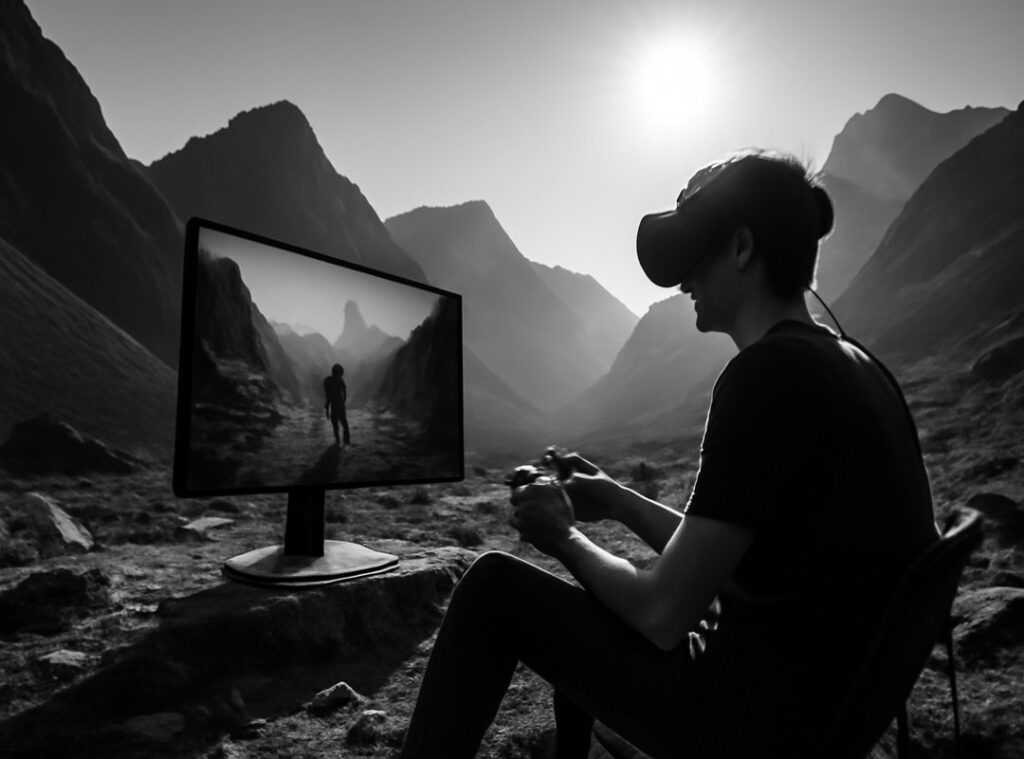

“Why are you still playing video games? Aren’t you too old for that?” Sound familiar? We’ve all heard it (those) outdated stereotypes thrown around at family gatherings.
But let’s set the record straight: video games are more than just a pastime for kids. This article dives deep into gaming myths debunked, using hard facts, research, and real-world examples to clear up those pesky misconceptions.
I’ve been part of the gaming community long enough to see trends come and go, and I’m here to tell you the truth and nothing but the truth. Whether it’s about screen time or the supposed isolation gaming brings, this piece will give you clear, evidence-based perspectives.
Ready to separate fiction from reality? By the end, you’ll have a clearer view of what gaming really offers.
Gaming Myths Debunked: Breaking the Isolation Stereotype
Let’s talk about the tired cliché of the “lonely gamer in a basement.” It’s outdated. Gaming today is anything but isolated. It’s one of the most social hobbies around, connecting people worldwide.
Ever heard of digital campfires? That’s what online communities are like. They’re lively, buzzing, and full of life.
Take games like ‘Valorant’ or ‘Apex Legends.’ These aren’t solo experiences. They’re team-based and require communication. Players strategize, laugh, and sometimes argue (as teams do).
Then there’s the world of MMOs like ‘World of Warcraft.’ Massive guilds bring people together for quests and raids. It’s teamwork, pure and simple.
And don’t forget platforms like Discord and Twitch. They’re not just for chatting. They’re for building communities.
People gather, share memes, and support each other through digital highs and lows. It’s a social hub, not a solitary pursuit.
Gaming also breaks geographical barriers. I’ve made friends across continents. We share laughs and experiences that transcend borders.
Large-scale events like PAX or Gamescom? They’re real-world proof of gaming’s social power. Thousands gather to celebrate, learn, and connect over shared passions.
Gaming builds more than just digital avatars. It fosters real communication and collaboration skills. We learn to negotiate, lead, and follow.
These are skills that translate into real life. So, next time someone claims gamers are isolated, point them to these facts.
Curious about how industry titans approach game development? It’s fascinating to see how these communities are nurtured. Gaming myths?
Consider them debunked.
Myth Busted: Video Games Fuel Violence?
Let’s get this straight. The idea that video games make people violent is one of the oldest accusations against gaming. But what does the science say?
Decades of research, including major studies from places like Oxford University and the American Psychological Association, show no causal link between playing video games and committing real-world violence.
It’s like saying if you eat ice cream in summer and crime rates go up, ice cream causes crime. Sounds absurd, right? This is where understanding correlation versus causation is key.
Just because two things happen simultaneously doesn’t mean one caused the other.
Now, let’s talk data. Look at countries with sky-high per-capita video game spending. They often have low violent crime rates.
Japan and South Korea, anyone? They’re gaming powerhouses with far less crime than you’d expect if games were the root of all evil.
Does this mean you should ignore behavior issues in a kid playing Grand Theft Auto? Of course not. But blaming games as the sole source?
That’s lazy. It’s a complex world out there, and violence has many roots. Poverty, education, access to help, you name it. They all play a part.
For those still skeptical, check out this gaming myths debunked article. It dives deeper into why video games aren’t the villains they’re made out to be.
We need to stop scapegoating games and start focusing on the real issues. After all, in my experience, games have brought more joy and connection than destruction.
Myth-Busting: Gaming Rots Your Brain?
Let’s squash this myth. Gaming isn’t just mindless button mashing. It’s an active mental workout.
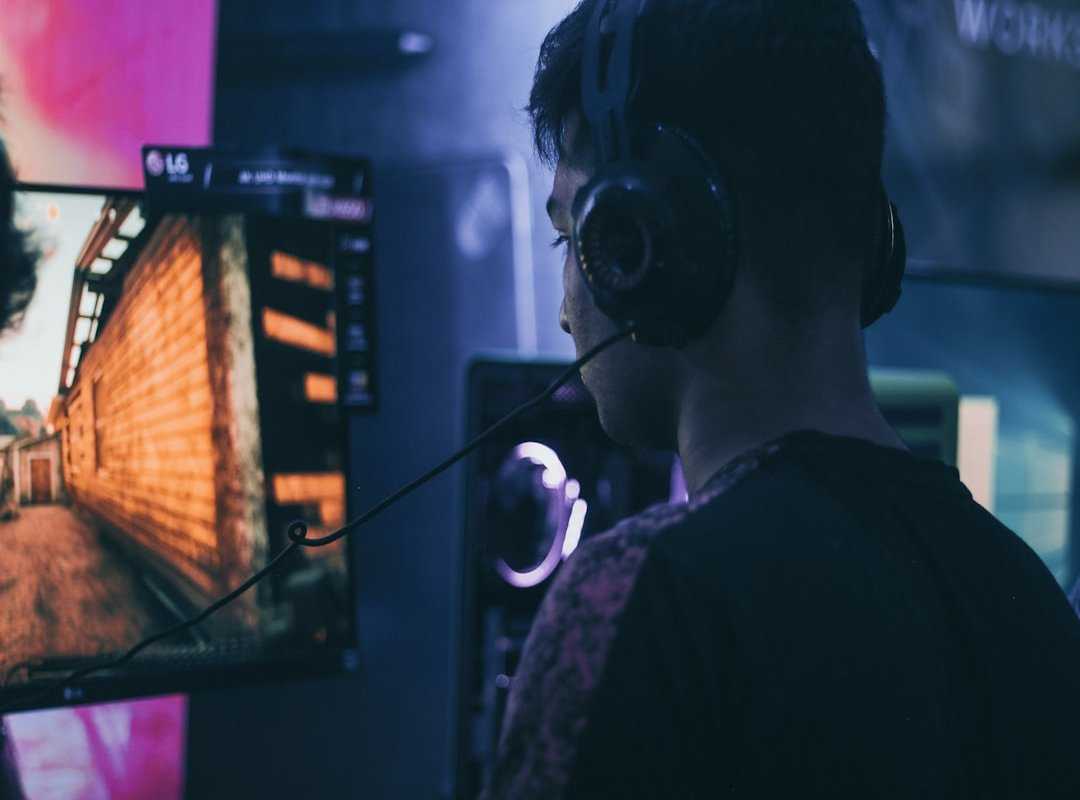
People often think gamers just sit around doing nothing. But gaming myths debunked! It’s far from a waste of time.
Consider plan games like “Civilization” or puzzle games like “Portal.” These aren’t just games; they’re platforms for honing problem-solving skills. You’re constantly thinking, planning, and strategizing.
And what about fast-paced shooters? They’re more than just shooting pixels. These games demand faster decision-making and reaction time.
You’ve got to be on your toes, ready to adapt. It’s a skill you can take beyond the screen, too. Ever tried building in “Minecraft”?
It’s like constructing a virtual city. Your spatial reasoning and creativity? They get a serious workout.
Now, let’s talk science. Studies show gaming boosts skills like attention and visual processing. It’s not just a claim; it’s data-backed reality.
Skeptical? That’s fair. But think about how much focus and concentration these games require.
Moderation is key, of course. Like any hobby, overdoing it isn’t great. But to call gaming brain rot is just wrong.
Gaming isn’t passive; it’s engaging, challenging, and, yes, sometimes frustrating. It’s a hobby that offers a ton of cognitive benefits if done right.
Where’s this all heading? Well, the expert predictions future gaming show that gaming is only going to get more complex and subtle.
So next time someone calls gaming a waste, remember, it’s a mental gym session. Keep gaming smart, and let those skills level up.
Myth #4: Gaming Careers Are Just a Dream
Stop right there if you think gaming is just about playing or that it’s an unrealistic career. That’s a major myth. The gaming industry is a multibillion-dollar behemoth.
Did you know it rakes in more money than both the film and music industries combined? Wild, right?
Now, let’s broaden your perspective. Sure, being a pro player sounds glamorous, but there’s so much more. Ever think about becoming a Game Developer?
Or maybe a 3D Artist? Imagine crafting those stunning visuals you see on screen. If storytelling is your jam, consider a gig as a Narrative Writer.
Love social media? Community Managers are in high demand. Then there’s the adrenaline rush of being an Esports Caster or a Producer, bringing live events to life.
Quality Assurance (QA) Testers are key too. They’re the unsung heroes ensuring games run smoothly. And don’t forget Marketing Specialists.
They’re the folks spreading the word about the latest gaming hits.
Oh, and let’s not overlook the modern creator economy. Platforms like Twitch and YouTube have birthed entire careers. Streaming or content creation isn’t just a side hustle; it’s a legitimate career path.
So, what’s your excuse? Gaming is far from just a hobby. It’s a colossal economic and cultural force offering countless professional opportunities.
People are living off their passion for games, treating them as a media platform to engage and entertain.
Dream big. The industry is waiting. Gaming myths debunked, right?
Shatter the Gamer Stereotype
We’ve moved past those dated notions of gamers as isolated or lazy. That’s not the reality. Today, gaming is a lively, social, and mentally engaging world.
It’s a space where you can connect, learn, and even advance professionally. Want to have better conversations about gaming? Start by ditching those myths.
Understanding this culture is key.
So here’s the deal: Share this article with someone who needs to see it. Dive deeper into the world of gaming. There’s so much more to explore.
And trust me, you’ll find it’s nothing like the old myths. Gaming myths debunked. Now go spread the word.
 There is a specific skill involved in explaining something clearly — one that is completely separate from actually knowing the subject. Elizabeth Denmarkenico has both. They has spent years working with core gaming concepts and mechanics in a hands-on capacity, and an equal amount of time figuring out how to translate that experience into writing that people with different backgrounds can actually absorb and use.
Elizabeth tends to approach complex subjects — Core Gaming Concepts and Mechanics, Esports and Multiplayer Trends, Expert Insights being good examples — by starting with what the reader already knows, then building outward from there rather than dropping them in the deep end. It sounds like a small thing. In practice it makes a significant difference in whether someone finishes the article or abandons it halfway through. They is also good at knowing when to stop — a surprisingly underrated skill. Some writers bury useful information under so many caveats and qualifications that the point disappears. Elizabeth knows where the point is and gets there without too many detours.
The practical effect of all this is that people who read Elizabeth's work tend to come away actually capable of doing something with it. Not just vaguely informed — actually capable. For a writer working in core gaming concepts and mechanics, that is probably the best possible outcome, and it's the standard Elizabeth holds they's own work to.
There is a specific skill involved in explaining something clearly — one that is completely separate from actually knowing the subject. Elizabeth Denmarkenico has both. They has spent years working with core gaming concepts and mechanics in a hands-on capacity, and an equal amount of time figuring out how to translate that experience into writing that people with different backgrounds can actually absorb and use.
Elizabeth tends to approach complex subjects — Core Gaming Concepts and Mechanics, Esports and Multiplayer Trends, Expert Insights being good examples — by starting with what the reader already knows, then building outward from there rather than dropping them in the deep end. It sounds like a small thing. In practice it makes a significant difference in whether someone finishes the article or abandons it halfway through. They is also good at knowing when to stop — a surprisingly underrated skill. Some writers bury useful information under so many caveats and qualifications that the point disappears. Elizabeth knows where the point is and gets there without too many detours.
The practical effect of all this is that people who read Elizabeth's work tend to come away actually capable of doing something with it. Not just vaguely informed — actually capable. For a writer working in core gaming concepts and mechanics, that is probably the best possible outcome, and it's the standard Elizabeth holds they's own work to.