
At the highest level of competition, a single team fight can decide everything—yet without powerful esports spectator modes, even the most electrifying match can feel like visual chaos. Viewers are often left confused, missing the strategy, mechanics, and split-second decisions that define elite play. This article breaks down what separates a seamless spectator experience from a frustrating one, exploring the design philosophies and in-game features that bring clarity to the action. From camera control to real-time stats and replay tools, we outline the blueprint that empowers fans, casters, and analysts to truly understand and enjoy competitive esports.
More Than a Camera: The Spectator’s Critical Role in Competitive Gaming
The first time I tried to watch a professional match without understanding the interface, I lasted ten minutes. It felt like staring at a blur of spell effects and health bars (like walking into the final battle scene of a movie with no idea who the hero is). That’s when I realized a spectator mode isn’t just a free-floating camera. It’s an information delivery system—meaning a curated mix of visuals, stats, player perspectives, and overlays designed specifically for viewers.
At its best, it acts as a bridge. Pros make split-second macro decisions (large-scale strategic moves that shape the match), and esports spectator modes translate that chaos into:
- Clear narratives
- Contextual stats
- Replay-driven analysis
Some argue great gameplay alone builds an esport. I disagree. If a game is hard to watch, it’s hard to grow. Accessibility fuels fandom—and fandom fuels the evolution of esports tournaments and prize pools (https://rogrand525.com/evolution-of-esports-tournaments-and-prize-pools/). Pro tip: clarity scales competition.
Informational Clarity (The HUD)
A spectator HUD (Heads-Up Display, the on-screen info layer) should feel invisible yet indispensable. The essentials are straightforward: player health bars, ability cooldowns (the time before a skill can be reused), ultimate charge percentages, economy totals, and kill-death-assist ratios. If any of these are missing or cluttered, viewers get lost fast. In esports spectator modes, customization is key. Let viewers toggle stats depending on their experience level. A new fan might focus on health and kills; a seasoned player tracks economy swings. Clarity beats quantity every time. Pro tip: use color-coding consistently—red for danger, green for advantage—to reduce cognitive load.
Intelligent Camera Control
Great camera work turns chaos into narrative. Automated AI-driven cameras excel at instantly snapping to fights, spikes in damage, or objective contests. They’re fast and data-aware. But they lack intuition. That’s where manual observers shine, using player-lock to follow a star competitor, overhead tactical views to reveal formations, and smooth cinematic panning to build anticipation before a clash. Think of it like directing a live sports broadcast. Step-by-step: start wide to establish positioning, zoom during engagement, then cut to reactions. Automation captures action; humans craft story. The sweet spot? Blend both for reliability and emotional pacing.
Storytelling Tools & X-Ray Vision
Spectators should see what players can’t. X-ray vision—player outlines through walls—transforms hidden information into dramatic irony. You see the ambush forming before the victim does (it’s basically a thriller movie in real time). Add projectile trajectories to clarify skill shots and area-of-effect indicators to show danger zones. These tools explain strategy: why a team hesitates, why a flank matters, why positioning wins championships. Without them, viewers guess. With them, tension builds naturally. Practical tip: briefly highlight the aggressor’s path before engagement. That small visual cue helps audiences connect setup to payoff.
Instant Replays and Timelines
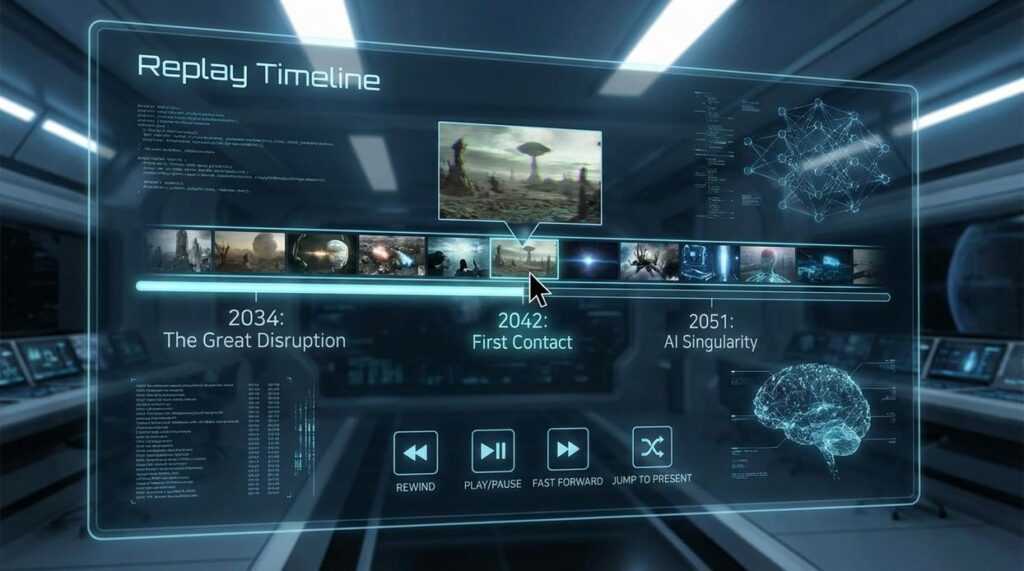
No spectator experience is complete without rapid replays. When a pivotal triple elimination happens, viewers need immediate context. Integrated replay systems should allow multi-angle breakdowns within seconds. Show first-person aim, then overhead spacing, then slow-motion execution. Layer in a match timeline—a navigable bar marking rounds, objectives, and economy spikes. This lets observers jump directly to turning points instead of scrubbing blindly. For analysis segments, pause and annotate positioning errors or resource mismanagement. Think of it as a coaching clinic between rounds. When replay tools are seamless, big moments don’t just excite—they educate and stick long after the match ends.
The Gold Standard (Tactical Shooters)
To begin with, tactical shooters set the benchmark for clarity. In CS:GO/CS2 and Valorant, esports spectator modes transform chaos into choreography. X-ray vision (a feature that lets viewers see player outlines through walls) prevents confusion during slow, utility-heavy rounds. Detailed economy trackers show each team’s money, weapons, and likely buy strategies—critical in games where a single rifle purchase can swing momentum. Overhead maps provide instant spatial awareness, making split pushes and rotations easy to follow.
As one analyst put it during a Major broadcast, “You can literally see the mind game unfolding before the first bullet is fired.” That’s the magic: complex tactics, simplified without being dumbed down.
The Data Deep Dive (MOBAs)
Meanwhile, MOBAs embrace information overload—and make it digestible. Dota 2 and League of Legends display net worth graphs (a visual comparison of team gold), experience leads, item builds, cooldown timers, and buyback status. At first glance, it’s a wall of numbers. Yet each stat tells a story.
For example, a sudden spike in net worth often signals a decisive teamfight. “They’re 5,000 gold up—this next objective is theirs to lose,” a caster might say, pointing to the graph. Teamfight breakdown tools replay engagements step-by-step, highlighting damage dealt and ability usage. Consequently, even newcomers can grasp why one side prevailed.
The Battle Royale Challenge
However, battle royales pose a different problem: 100 players, sprawling maps, constant skirmishes. Observers rely on multi-perspective views, team-focused feeds, and automated excitement detection (systems that flag nearby combat). As one producer joked, “The action’s everywhere—you just have to catch it.” The goal isn’t total coverage; it’s curated chaos.
As spectator modes evolve and streaming technology advances, these innovations not only enhance the overall esports experience but also tie into the insights shared in our comprehensive ‘Gamers Guide Hmcdgamers,’ where we explore the latest trends and tips for maximizing enjoyment in competitive gaming.
The Future of Viewing: Pushing the Boundaries of Digital Sport
The future of digital sport depends on building esports spectator modes around clarity, narrative control, and deep informational access. When high-level play becomes chaotic, smart design transforms it into something elegant and understandable, guiding viewers through every pivotal moment without overwhelming them. That foundation is what turns casual viewers into dedicated fans.
Looking ahead, interactive camera controls, VR spectating, and machine-learning-powered real-time stats will push immersion even further. The goal is simple: give viewers more control, more context, and a deeper connection to the action. As technology evolves, the viewing experience won’t just keep up with competition—it will redefine it.
 Elyndra Xelthorne is the kind of writer who genuinely cannot publish something without checking it twice. Maybe three times. They came to core gaming concepts and mechanics through years of hands-on work rather than theory, which means the things they writes about — Core Gaming Concepts and Mechanics, Hot Topics in Gaming, Expert Insights, among other areas — are things they has actually tested, questioned, and revised opinions on more than once.
That shows in the work. Elyndra's pieces tend to go a level deeper than most. Not in a way that becomes unreadable, but in a way that makes you realize you'd been missing something important. They has a habit of finding the detail that everybody else glosses over and making it the center of the story — which sounds simple, but takes a rare combination of curiosity and patience to pull off consistently. The writing never feels rushed. It feels like someone who sat with the subject long enough to actually understand it.
Outside of specific topics, what Elyndra cares about most is whether the reader walks away with something useful. Not impressed. Not entertained. Useful. That's a harder bar to clear than it sounds, and they clears it more often than not — which is why readers tend to remember Elyndra's articles long after they've forgotten the headline.
Elyndra Xelthorne is the kind of writer who genuinely cannot publish something without checking it twice. Maybe three times. They came to core gaming concepts and mechanics through years of hands-on work rather than theory, which means the things they writes about — Core Gaming Concepts and Mechanics, Hot Topics in Gaming, Expert Insights, among other areas — are things they has actually tested, questioned, and revised opinions on more than once.
That shows in the work. Elyndra's pieces tend to go a level deeper than most. Not in a way that becomes unreadable, but in a way that makes you realize you'd been missing something important. They has a habit of finding the detail that everybody else glosses over and making it the center of the story — which sounds simple, but takes a rare combination of curiosity and patience to pull off consistently. The writing never feels rushed. It feels like someone who sat with the subject long enough to actually understand it.
Outside of specific topics, what Elyndra cares about most is whether the reader walks away with something useful. Not impressed. Not entertained. Useful. That's a harder bar to clear than it sounds, and they clears it more often than not — which is why readers tend to remember Elyndra's articles long after they've forgotten the headline.