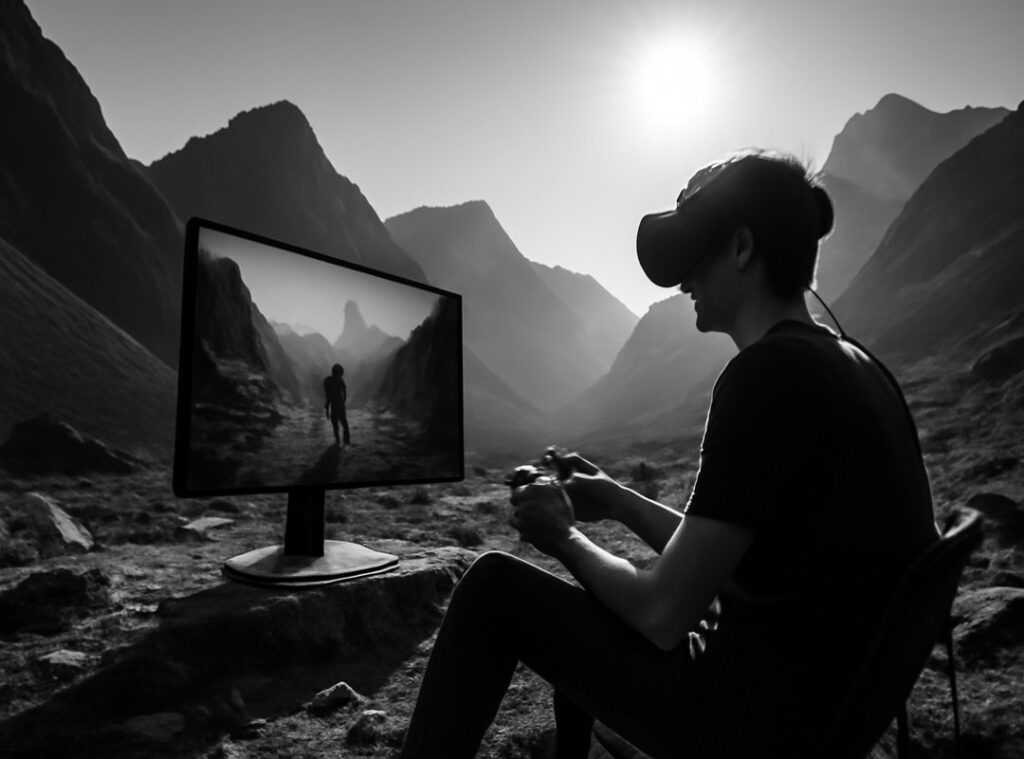

The games of tomorrow are being forged in the arguments of today. But cutting through the noise to understand what game creators are actually facing? That’s tough.
Here’s the thing: four key debates are shaping modern gaming. I know. I’ve followed the competitive gaming space closely.
Game developers are wrestling with massive issues behind the scenes. This isn’t just about flashy graphics or soundtracks. It’s about real challenges in game design and development.
What you’ll get is a clear, no-nonsense breakdown of these discussions. Trust me, this is your backstage pass to the game developers interview you’ve been waiting for.
The Monetization Minefield: Player Value vs. Predatory Profit
Developers face a tough balancing act. Massive projects need funding, but players are fed up with feeling like cash cows. It’s a constant tension between keeping the lights on and not driving players away.
Let’s talk about the battle pass model. Creators get caught in a cycle, churning out content to keep players engaged. It’s exhausting.
And from the player’s side, there’s the dreaded FOMO. You miss a week, you miss out. It’s a constant grind that wears players down and can turn them off a game for good.
Contrast that with the ‘premium-plus’ model. Pay full price upfront, then fork over cash for DLCs. It gives creators more stability.
Players get what they pay for and decide if they want more. Clean, right? But here’s the kicker: if the DLC doesn’t stack up, players feel ripped off.
Now, the hot potato: loot boxes and gacha mechanics. High risk, high reward. Sure, they can rake in cash, but they can also wreck a studio’s reputation.
The real winners are studios that get this right. Align monetization with gameplay. Make players want to spend, not feel coerced.
Players hate feeling like they’re gambling (because they are), and bad press can spread like wildfire.
It’s what keeps them coming back without resentment. When monetization feels natural, players aren’t just customers. They’re fans.
For more takeaways into the evolving world of gaming, check out these expert predictions. It’s important to stay ahead in this competitive field. In a game developers interview, you’d see the passion and plan behind each decision.
Keep your eyes open, and find that sweet spot.
The AI Revolution: Tool or Threat?
AI isn’t some far-off sci-fi fantasy; it’s here, in our toolkits, reshaping how we work. As a creator, I’ve seen AI help with rapid prototyping. It whips up placeholder assets in no time, automates QA testing, and gives smaller teams a fighting chance against the big AAA studios.
This isn’t just theory. It’s happening right now.
But hey, not everyone’s thrilled. Some see AI as a threat to diversity in creativity. You know, the risk of everything looking the same because machines churn it out.
There’s also the ethical headache about using training data. Are we devaluing human artists, writers, and designers by leaning on AI? Maybe.
It’s something we all should ponder.
Then there’s the industry power shift. Does AI level the playing field for indie developers, or just make it cheaper for the big guns to churn out more blockbuster titles? It’s a legitimate question.
Indie game makers could be empowered to do more with less, breaking the mold. Or will they just get swallowed up by the next Call of Duty clone?
The real question isn’t if AI will be in our creative process. It’s already here, like it or not. The real debate is how creatively and ethically we’ll use it.
The industry needs to adapt, but without losing what makes human artistry unique. For those curious, this overview touches on questions game developers face today.
Next time you hear about an AI-driven project, think about the impact it has on people behind the screens. Game developers’ interviews often tackle these key discussions, exploring both sides of AI’s coin. Embrace it?
Fear it? Heck, why not both? Either way, AI is here to stay.
Let’s use it wisely.
Core Mechanics vs. The Live Service Treadmill
You know the drill. You’ve got Elden Ring on one side, a game that’s a polished gem, just waiting to be discovered. Then there’s Fortnite on the other side, a never-ending saga that just keeps going.

Here’s the thing: developers are debating hard. Do they focus on crafting a finite masterpiece or jump on the live service treadmill? Endless updates are a grind (and let’s be honest, often buggy).
Publishers are pressuring for “engagement”. A fancy word for “we want players glued to the screen every day.” This metric can kinda sabotage the fun. Why?
Because it shifts focus from pure enjoyment to keeping players on a hamster wheel, chasing daily logins and playtime. Developers face a crazy amount of pressure. Constant new updates, keeping players interested (it’s) a treadmill that never stops.
I mean, how sustainable is that?
Single-player games often get more love and respect. I doubt anyone will argue against the satisfaction of a well-crafted, complete game experience. But let’s be real about the risks.
Financially, releasing a single-player game isn’t as profitable in today’s market, and publishers are wary. It’s a gamble, for sure.
But what about you? Do you crave a game as an art form, or do you want an ever-evolving hobby? Gamers and creators are in a heated debate over this.
Where do their bets land? In a game developers interview, you’d hear them wrestle with these decisions (the) balancing act between creativity and profitability.
And if you’re curious about the myths swirling around these decisions, you might want to check out breaking down biggest gaming myths. It shines a light on how these industry dynamics shape what we play. In the end, whether it’s artistic brilliance or constant evolution, the tension is real.
Will games be our passion projects or perpetual time sinks? That’s the question.
The Esports Balancing Act: Pleasing Pros Without Punishing
Ever wondered why a weapon that seems perfect for pros can feel like a dud for you? That’s the core of the balancing act in esports. A high-skill sniper rifle might dominate in the hands of a pro but leave the rest of us struggling.
Game developers often face this dilemma: tweak it for the best players, and you risk ruining it for everyone else. Does that sound fair to you?
Consider this: a weapon balanced for the top 0.1% can be a nightmare for the 99.9%. It’s like giving a toddler a Rubik’s Cube. Sure, the pros will love the challenge, but what about the rest of us?
Game developers interview players, analyze data like pick rates, and try to make sense of it all. But data can be misleading. What if the numbers say one thing, but the players scream another?
This issue can create a massive rift. Developers might prioritize the competitive scene, alienating casual players. The game’s longevity is at stake.
If the casual crowd leaves, where does that leave the pros? It’s a tightrope walk. So, how do you keep both sides happy?
Is there even a solution?
Dive into Game Dynamics
You get it now. These debates aren’t just noise. They’re shaping what you’ll play next.
The tug-of-war between funding and fun, automation and artistry, pro and casual (these) are the real battles. By tuning into these conversations, you can see where the industry is headed. You don’t just play games; you understand their creation.
This knowledge helps you make smarter choices and support what matters to you.
So here’s your move: don’t miss out. Dive into a game developers interview. Pay attention.
These debates aren’t going away, and they’re defining the next generation of games.
 Pagesticany Johnson writes the kind of core gaming concepts and mechanics content that people actually send to each other. Not because it's flashy or controversial, but because it's the sort of thing where you read it and immediately think of three people who need to see it. Pagesticany has a talent for identifying the questions that a lot of people have but haven't quite figured out how to articulate yet — and then answering them properly.
They covers a lot of ground: Core Gaming Concepts and Mechanics, Esports and Multiplayer Trends, Expert Insights, and plenty of adjacent territory that doesn't always get treated with the same seriousness. The consistency across all of it is a certain kind of respect for the reader. Pagesticany doesn't assume people are stupid, and they doesn't assume they know everything either. They writes for someone who is genuinely trying to figure something out — because that's usually who's actually reading. That assumption shapes everything from how they structures an explanation to how much background they includes before getting to the point.
Beyond the practical stuff, there's something in Pagesticany's writing that reflects a real investment in the subject — not performed enthusiasm, but the kind of sustained interest that produces insight over time. They has been paying attention to core gaming concepts and mechanics long enough that they notices things a more casual observer would miss. That depth shows up in the work in ways that are hard to fake.
Pagesticany Johnson writes the kind of core gaming concepts and mechanics content that people actually send to each other. Not because it's flashy or controversial, but because it's the sort of thing where you read it and immediately think of three people who need to see it. Pagesticany has a talent for identifying the questions that a lot of people have but haven't quite figured out how to articulate yet — and then answering them properly.
They covers a lot of ground: Core Gaming Concepts and Mechanics, Esports and Multiplayer Trends, Expert Insights, and plenty of adjacent territory that doesn't always get treated with the same seriousness. The consistency across all of it is a certain kind of respect for the reader. Pagesticany doesn't assume people are stupid, and they doesn't assume they know everything either. They writes for someone who is genuinely trying to figure something out — because that's usually who's actually reading. That assumption shapes everything from how they structures an explanation to how much background they includes before getting to the point.
Beyond the practical stuff, there's something in Pagesticany's writing that reflects a real investment in the subject — not performed enthusiasm, but the kind of sustained interest that produces insight over time. They has been paying attention to core gaming concepts and mechanics long enough that they notices things a more casual observer would miss. That depth shows up in the work in ways that are hard to fake.